Can You Use a Clinic Outside Your Own Area?
Sexual health services are open access, so you can attend any clinic anywhere in the country. There are a few practical limits worth knowing.
By Bareback Guide
24 Oct 2025

Sexual health for gay, bi and trans people is not a separate subject to health generally, but it does come with a specific set of infections, a specific set of vaccines and a specific history of being handled badly by clinicians. These guides cover what the common infections actually do, what testing involves and how often it is worth doing, which vaccinations you are entitled to, and what living with HIV looks like now rather than in 1995. Nothing here assumes you use condoms, and nothing here assumes you do not.
Sexual health services are open access, so you can attend any clinic anywhere in the country. There are a few practical limits worth knowing.
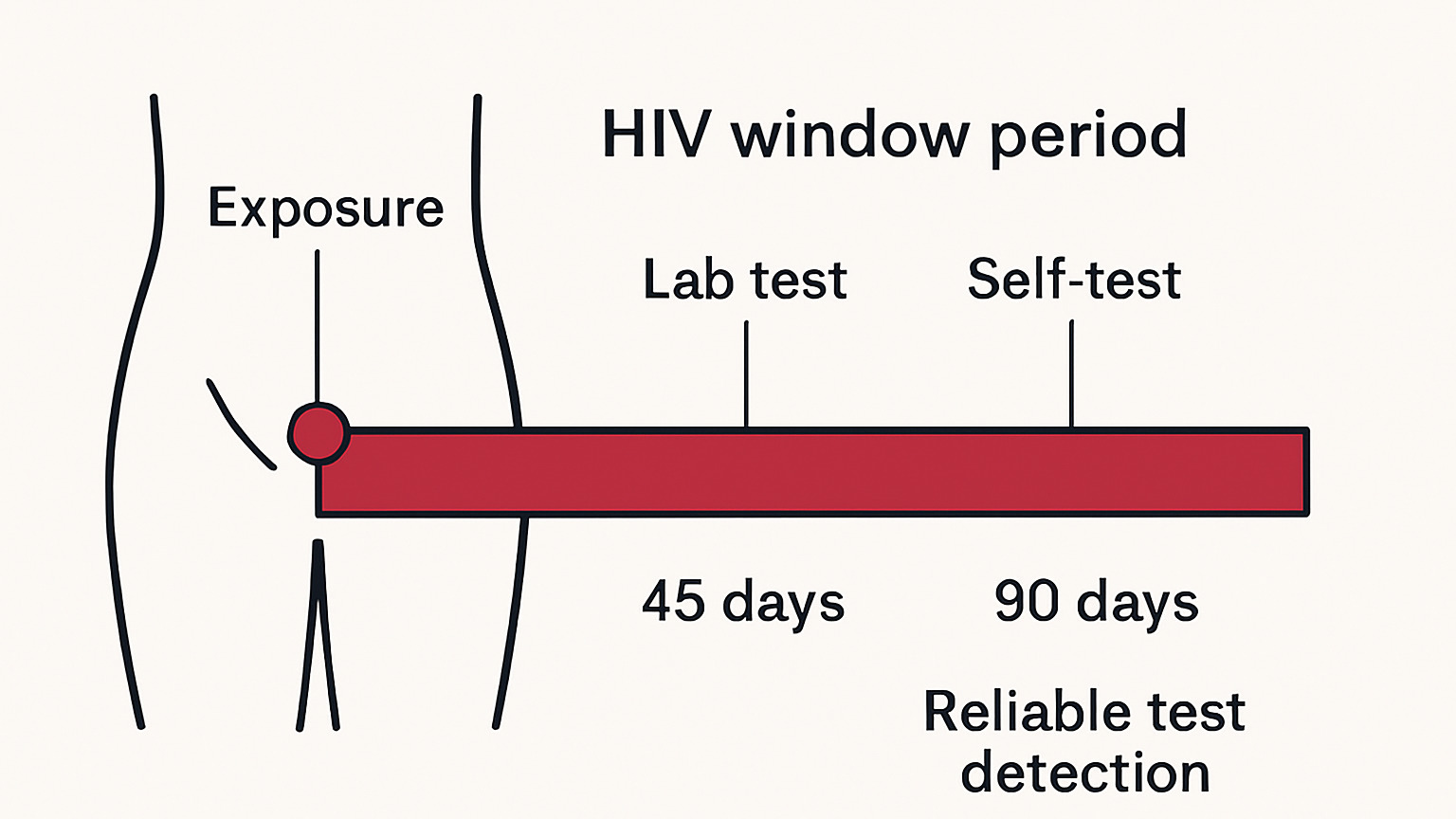
Forty-five days for a lab test, ninety for a self-test. Here is why the two numbers differ and which one applies to the test you took.
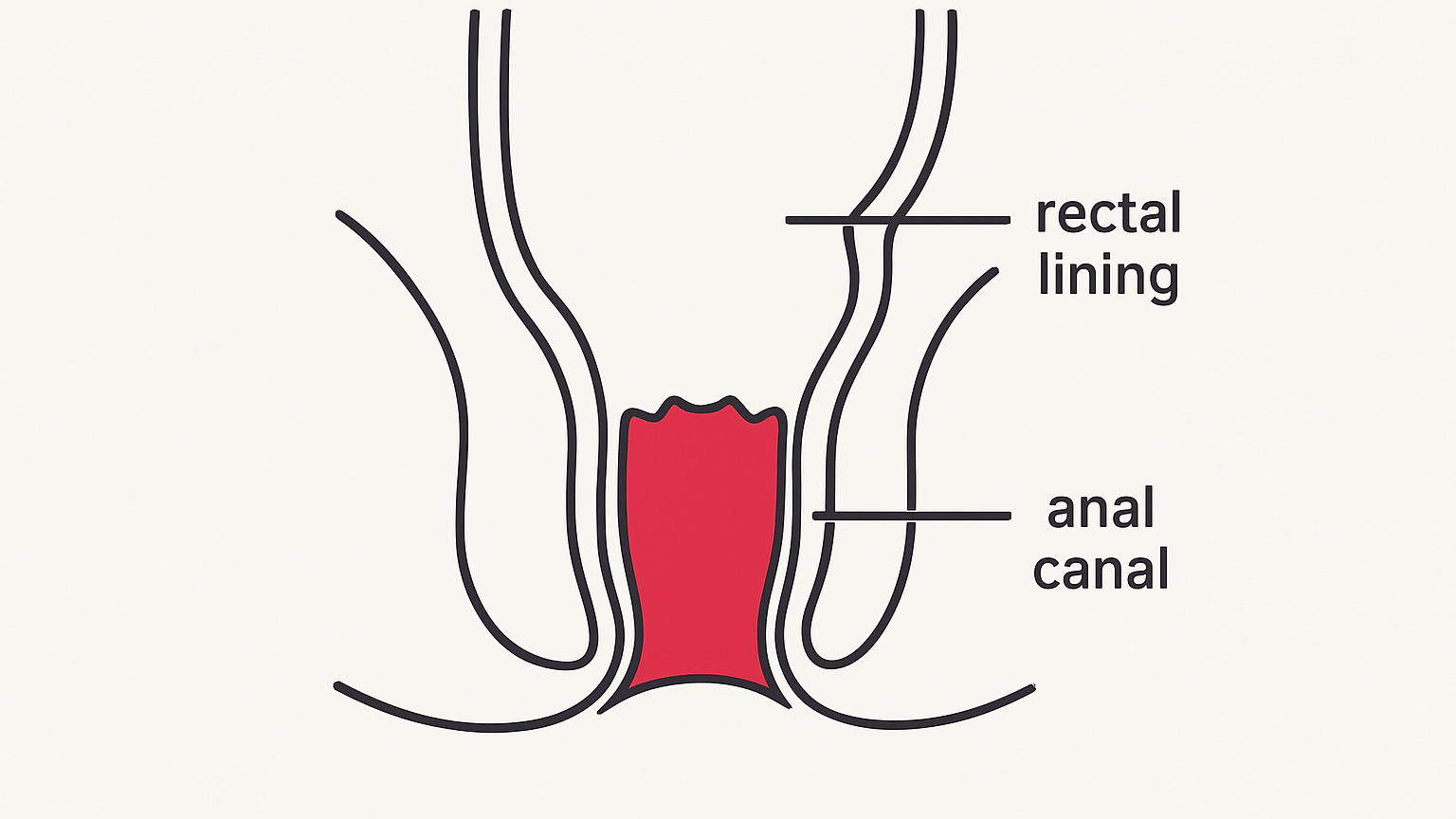
Most fissures heal within weeks with softer stools, warm baths and patience. Here is what actually helps and when a prescription is needed.
Sustained viral suppression means HIV cannot be passed on sexually. This is settled evidence, not reassurance, and it changes what precautions mean.
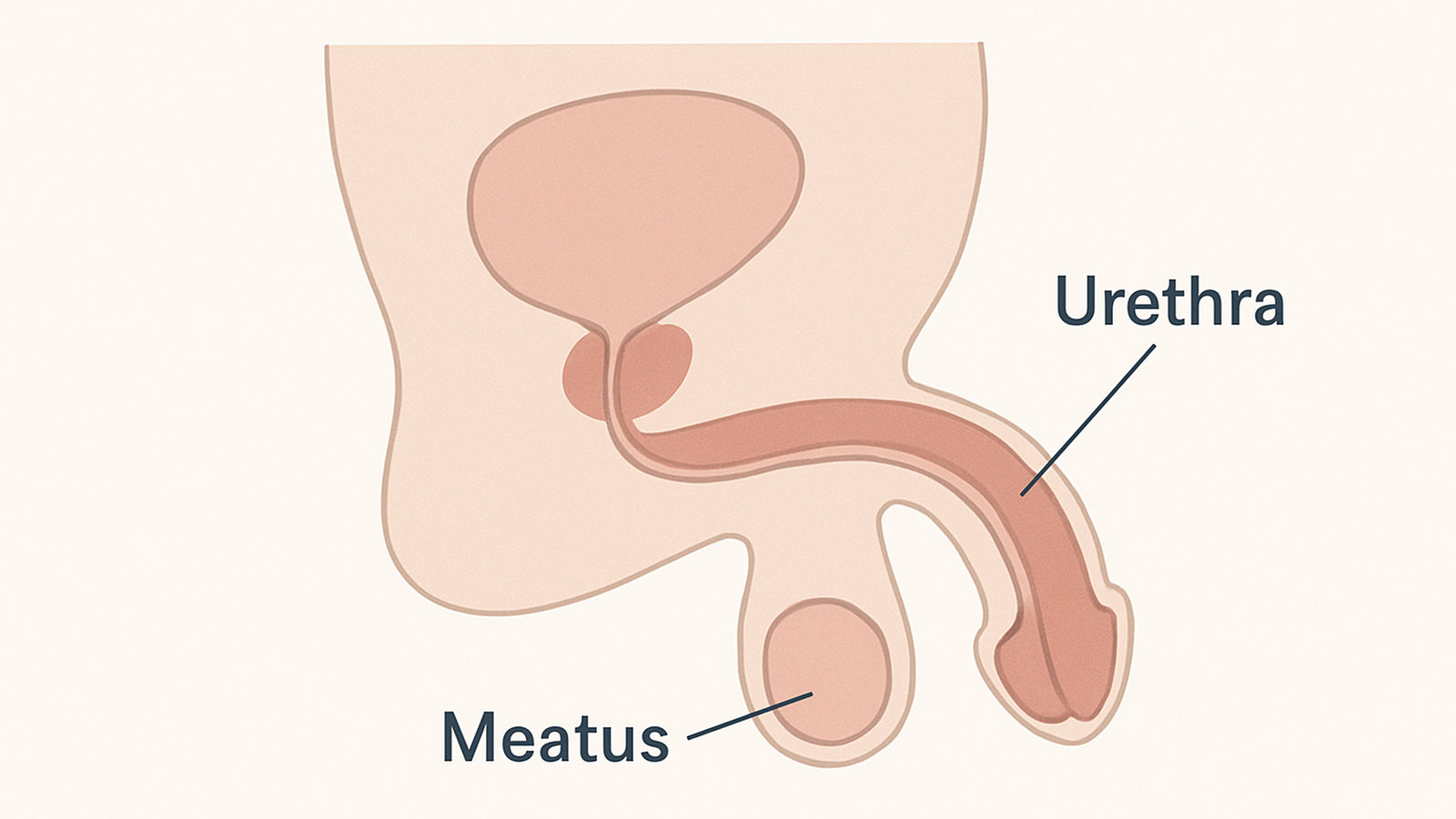
Urethral gonorrhoea usually shows itself within a week, but rectal and throat infections almost never do. Here is what appears first, and what it means.
Four vaccines are routinely available free to gay and bisexual men at UK clinics, and most people are eligible for more than they realise.
Provision varies enormously by postcode, and the nearest clinic is not always the best option. Here is how to find what is actually available.
Every infection has a different window before a test becomes reliable. Here are the intervals that actually matter and what to do while you wait.
Treatment usually starts within days, and the practical steps are more straightforward than most people expect. Here is the sequence.
Pain during receptive sex usually comes from tension, insufficient lubricant or an existing injury. Here is how to tell ordinary discomfort from a warning.