Which STI Symptoms Need Same-Day Medical Care?
Most sexual health problems can wait for an appointment. A short list cannot. Here is what needs seeing today and where to go for each.
By Bareback Guide
15 Jul 2026

Most sexually transmitted infections cause nothing at all for weeks, which is precisely why symptoms are a poor way to decide whether to test. These guides cover what chlamydia, gonorrhoea, syphilis, herpes, mpox and the rest do when they do show up, including at throat and rectal sites where people forget to look.
Most sexual health problems can wait for an appointment. A short list cannot. Here is what needs seeing today and where to go for each.
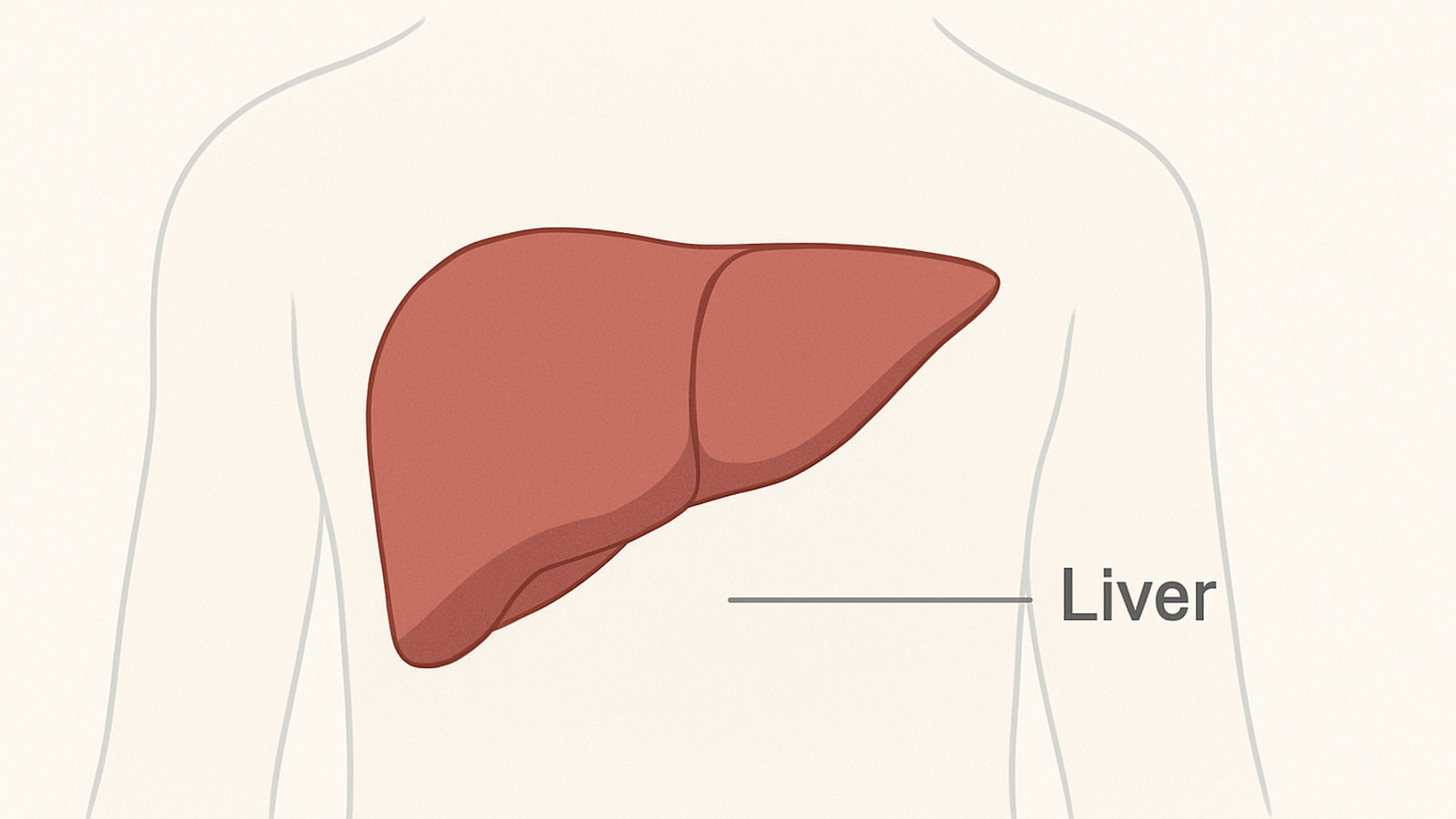
The early phase of hepatitis is vague and flu-like, and the yellowing everyone associates with it comes late or not at all. Here is what precedes it.
Persistent symptoms after antibiotics usually mean reinfection, the wrong organism or resistance. Here is how to tell which one you are dealing with.
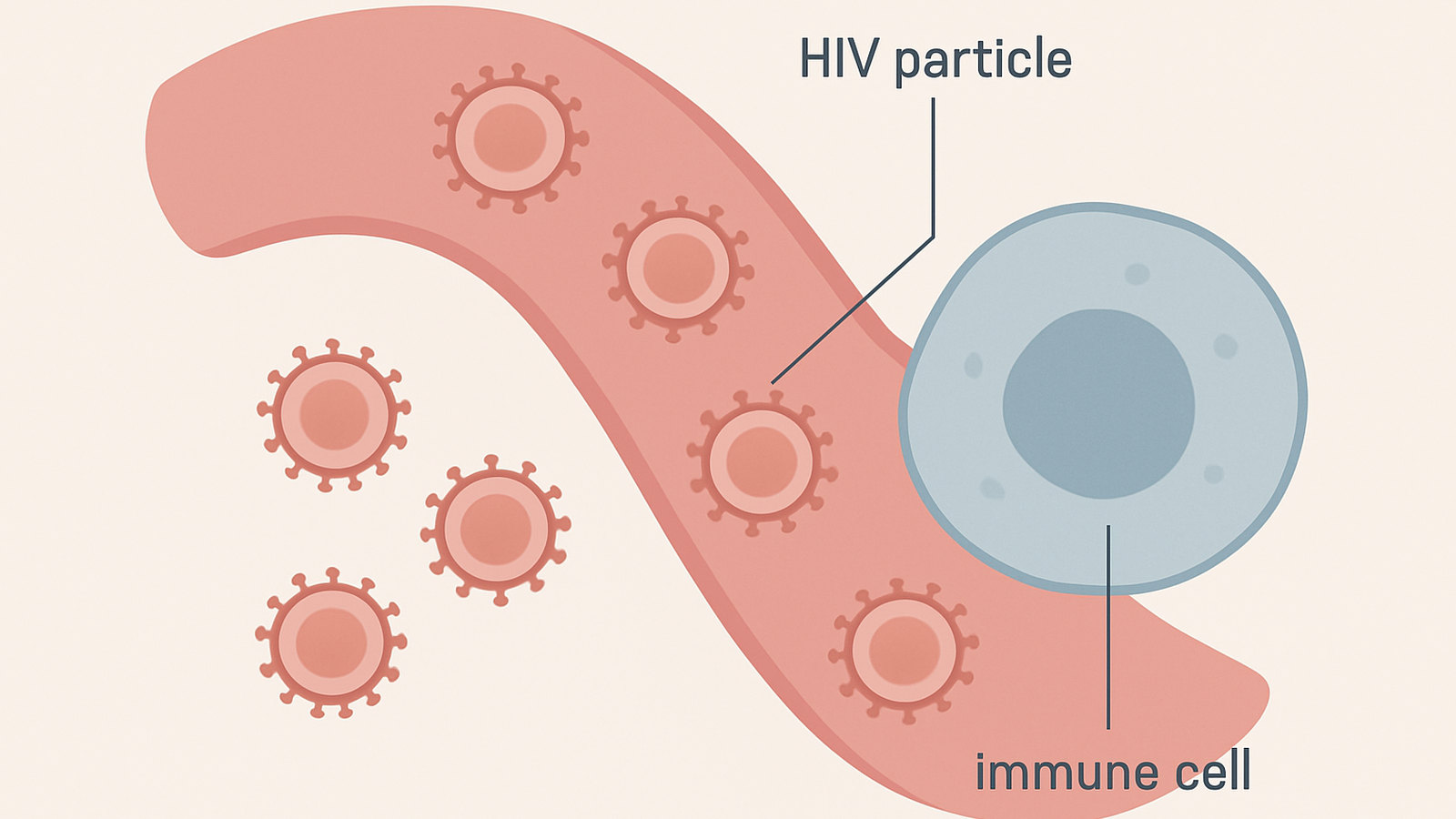
Seroconversion illness looks like flu with a rash, arrives two to four weeks after exposure, and is the point at which HIV is most transmissible.
Some infections stay quiet for years while remaining transmissible. Here is how long each one can hide and what that means for testing intervals.
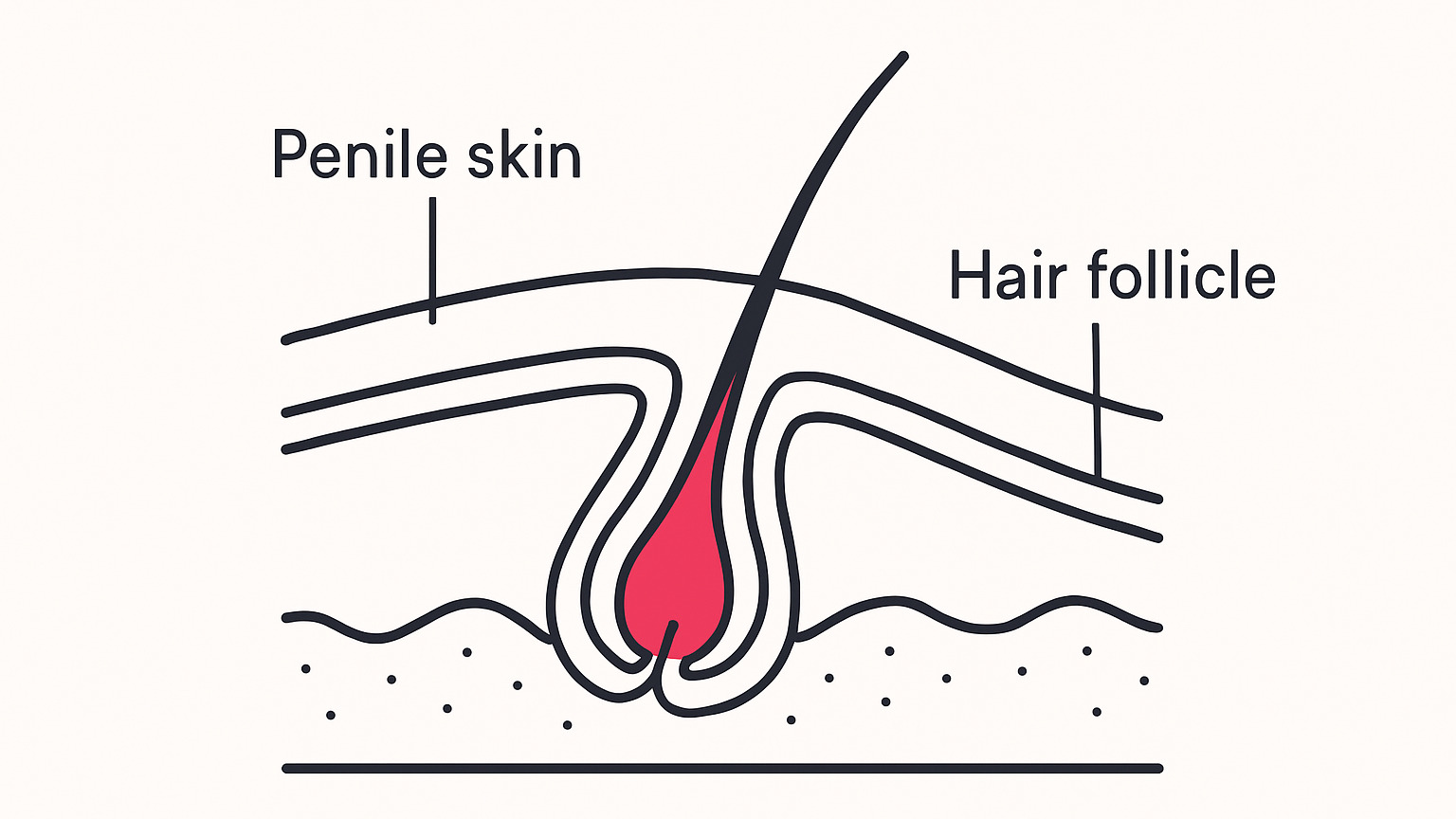
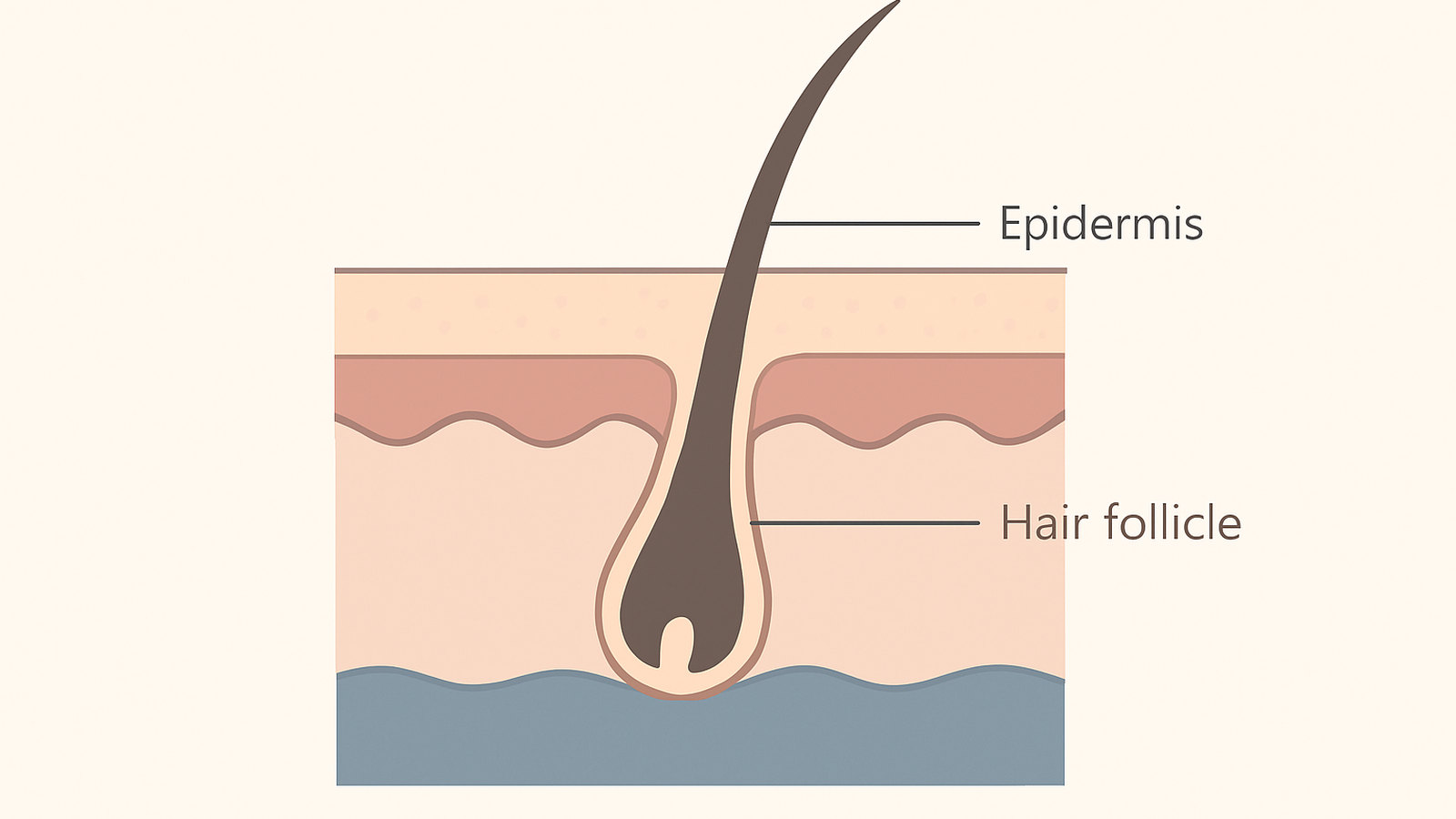
Most genital lumps are harmless anatomy or blocked follicles. A few are infections that need treating. Here is how to work out which you have.
Burning when you urinate has several causes, only some of them sexually transmitted. Here is how the timing and company it keeps point the way.
Discharge points strongly to a handful of infections and rules out several others. Here is what each type suggests and what it cannot tell you.
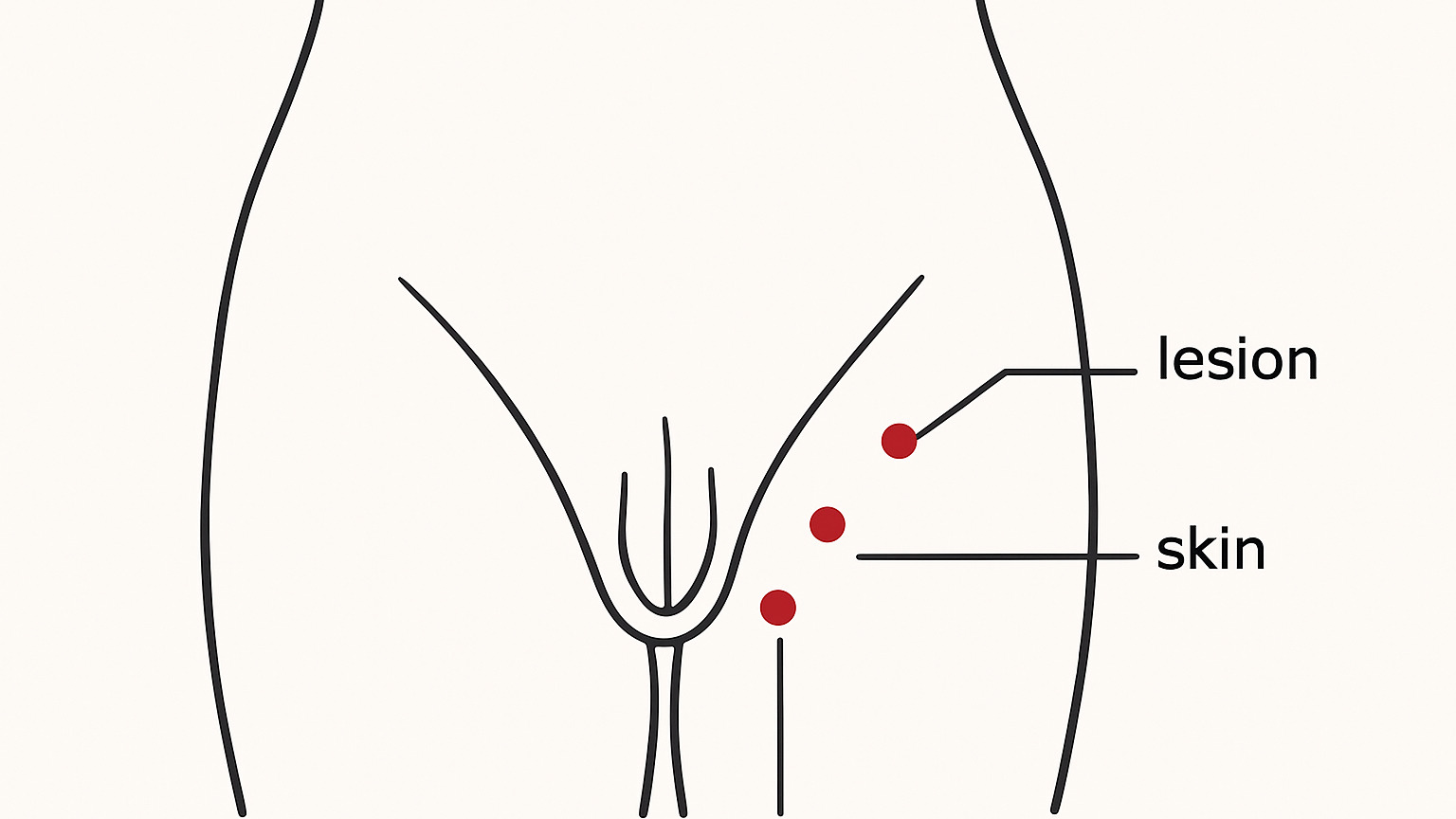
Recent mpox outbreaks often start with anogenital lesions rather than fever and a spreading rash. Here is the pattern people are actually seeing.
Both produce a sore bump in the same places. The differences are in the pattern, the timing and the sensation. Here is how to read them.
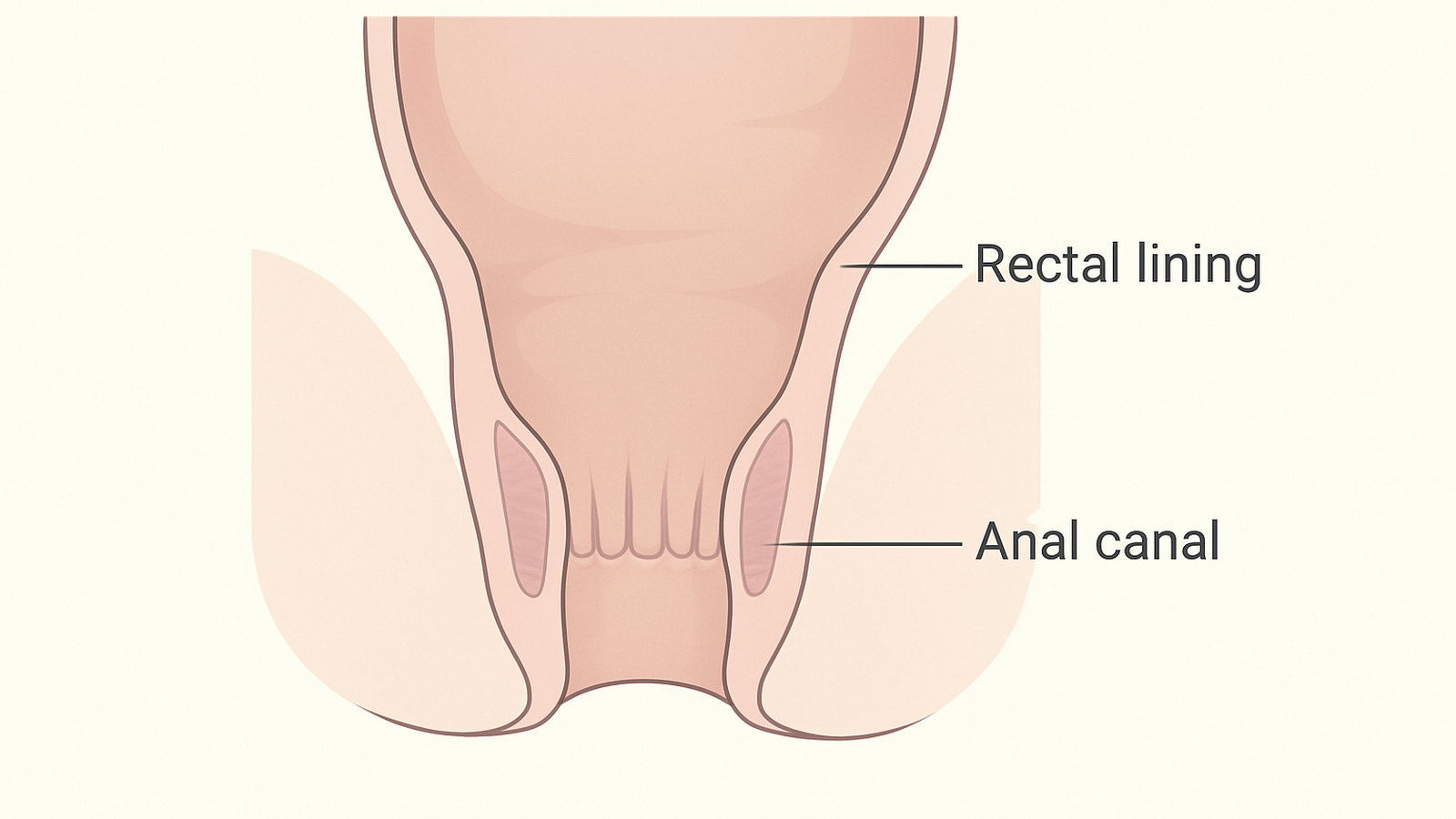
Most rectal infections cause nothing. When they do, the signs are easy to confuse with haemorrhoids or a rough session. Here is how to tell them apart.
Pharyngeal gonorrhoea and chlamydia are common and almost always silent. Here is why the throat behaves differently and why swabbing it matters.