How Do You Describe What Happened to Staff?
Plainly, with the specifics, and without editing for how it sounds. The details you leave out are usually the ones that matter clinically.
By Bareback Guide
18 Aug 2026

A short list of things that should not wait until Monday: a possible HIV exposure inside seventy-two hours, testicular pain that came on suddenly, a spreading rash with fever, an unresponsive person at a chill-out. These guides cover what counts as urgent and exactly where to go out of hours.
Plainly, with the specifics, and without editing for how it sounds. The details you leave out are usually the ones that matter clinically.
Triage by urgency rather than arrival, a long wait for anything not immediately dangerous, and staff who have seen it before.
For working out where to go when you are unsure. It is not the route for anything with a clock on it.
When you are not safe, or cannot be sure you will be. There are routes that do not involve A&E, and none of them require a diagnosis.
Check properly, put them on their side, call 999, and stay. Treating an unconscious person as asleep is the error that kills people.
Swelling of the lips, tongue or throat, difficulty breathing, or suddenly feeling faint. That combination is 999 rather than antihistamines.
Firm pressure for ten minutes without lifting to check. If it soaks through or restarts heavily, that is an emergency department.
Sudden severe pain in one testicle is a surgical emergency with a window measured in hours. Do not wait to see how it goes.
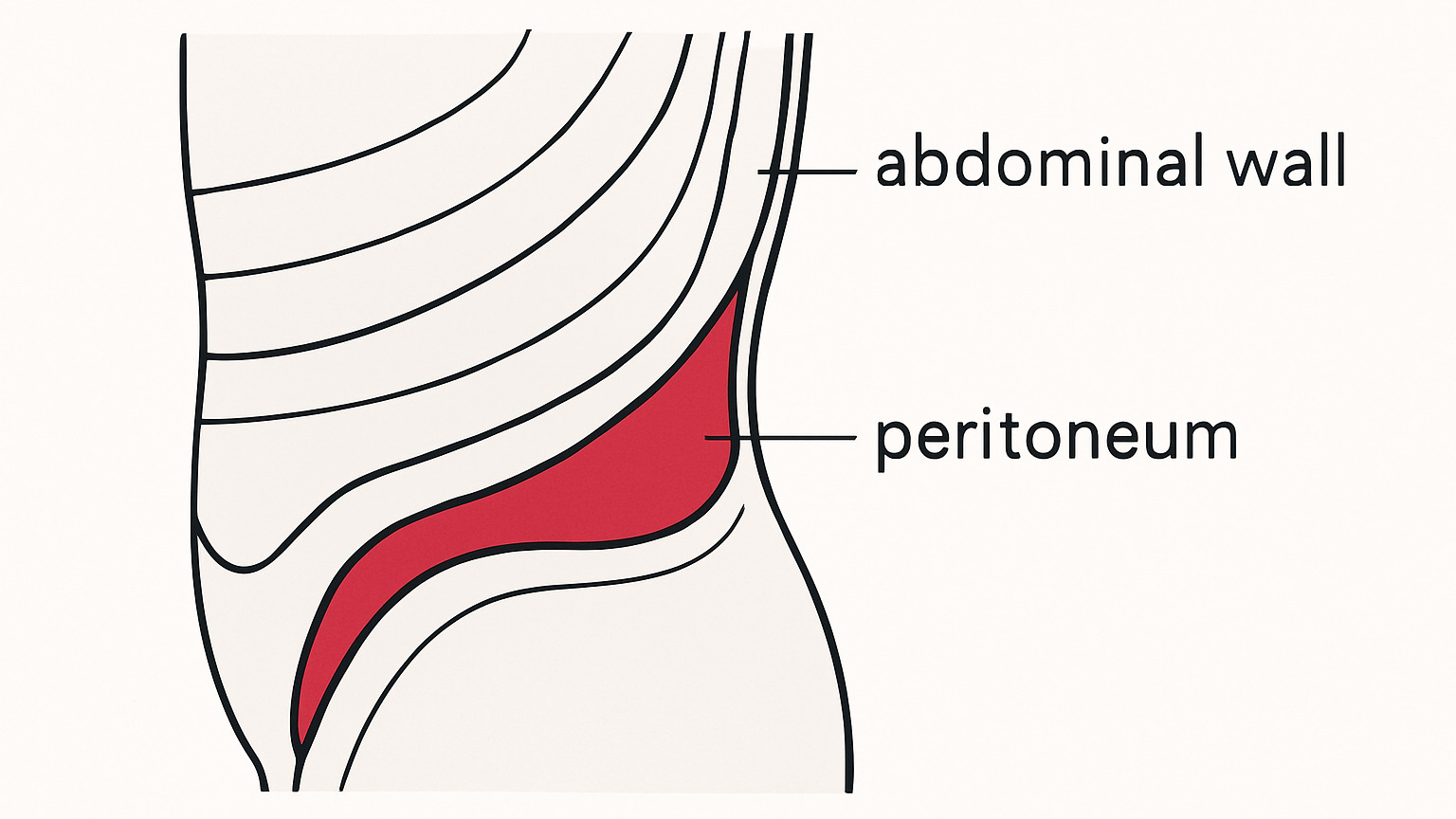
Pain that worsens, a rigid abdomen, fever, vomiting or shoulder tip pain. After fisting, these mean A&E immediately.
Get somewhere safe, and know that help is available without involving the police. Several things have time limits and none require a decision now.
A&E, and you ask for it by name. The window does not pause for a weekend and waiting until Monday is how people miss it.
Anything with a treatment window measured in hours. Four of them, and knowing the timings is most of the benefit.