How Do You Raise Condoms With a Partner?
Earlier is easier, and a stated position works better than a request. Here is how the conversation tends to go well.
By Bareback Guide
4 Aug 2026

Condoms remain the only option that covers HIV and bacterial infections at once, and most failures come down to size, lube or both rather than the condom itself. These guides cover sizing, why oil-based lube destroys latex, gloves and dams, and using barriers alongside PrEP rather than instead of it.
Earlier is easier, and a stated position works better than a request. Here is how the conversation tends to go well.
Heat, friction and time all degrade latex. A condom carried in a wallet for a year is not the product you think it is.
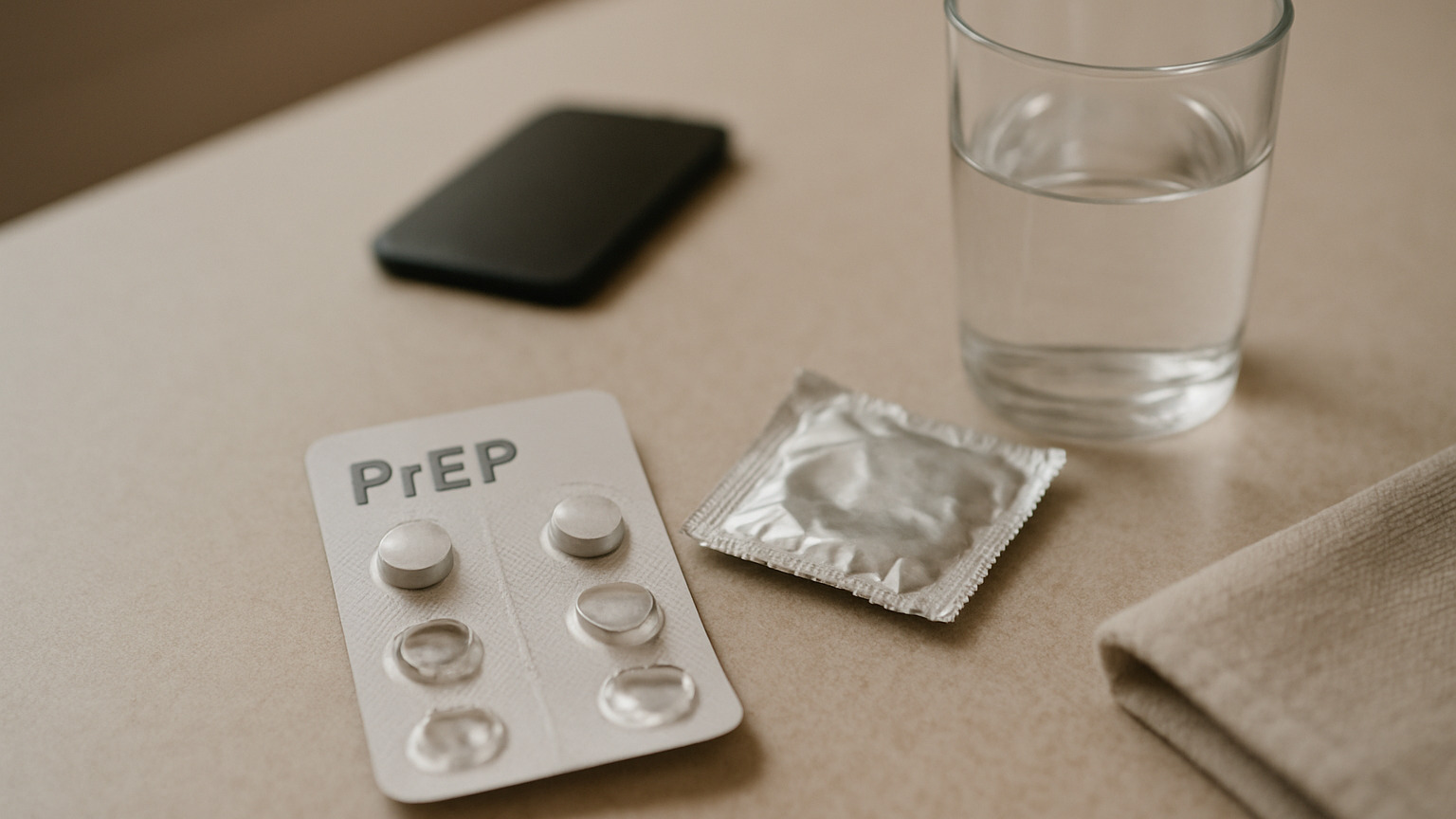
PrEP covers HIV and nothing else, so the question is really about which other infections you want to avoid.
Somewhat, and most of the loss comes from poor fit or too little lubricant rather than from the condom itself.
Sexual health clinics, distribution schemes, some pharmacies and LGBT organisations all give them away, and provision varies by area.
Oil destroys latex within minutes, and the wrong lubricant is one of the commonest causes of condom failure people never identify.
Material determines everything. Non-porous toys can be properly cleaned and porous ones cannot, which decides whether sharing is safe.
Gloves reduce hepatitis C transmission, protect against nail injuries and make cleaning up straightforward. Nitrile is the usual choice.
A thin barrier for rimming and oral sex. They work, they are awkward to obtain, and vaccination covers more of the same ground.
They substantially reduce throat infections, which are common and almost always silent. Very few people use them, which is why those infections persist.
Stop, do not douche, and work out whether PEP applies. The seventy-two hour window is the part that cannot wait.
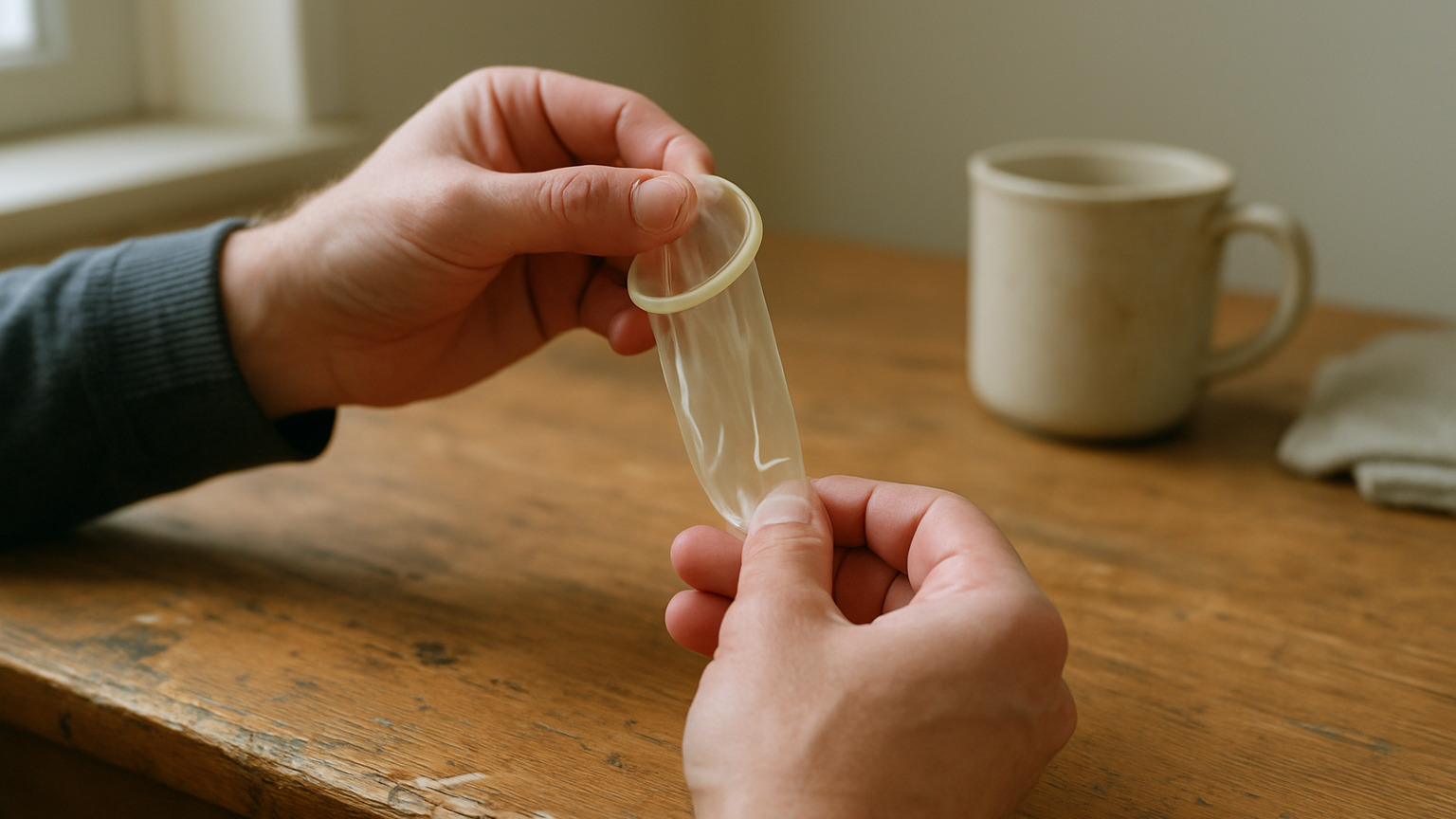
Polyisoprene and polyurethane both work, with different properties. Lambskin does not protect against infection at all.