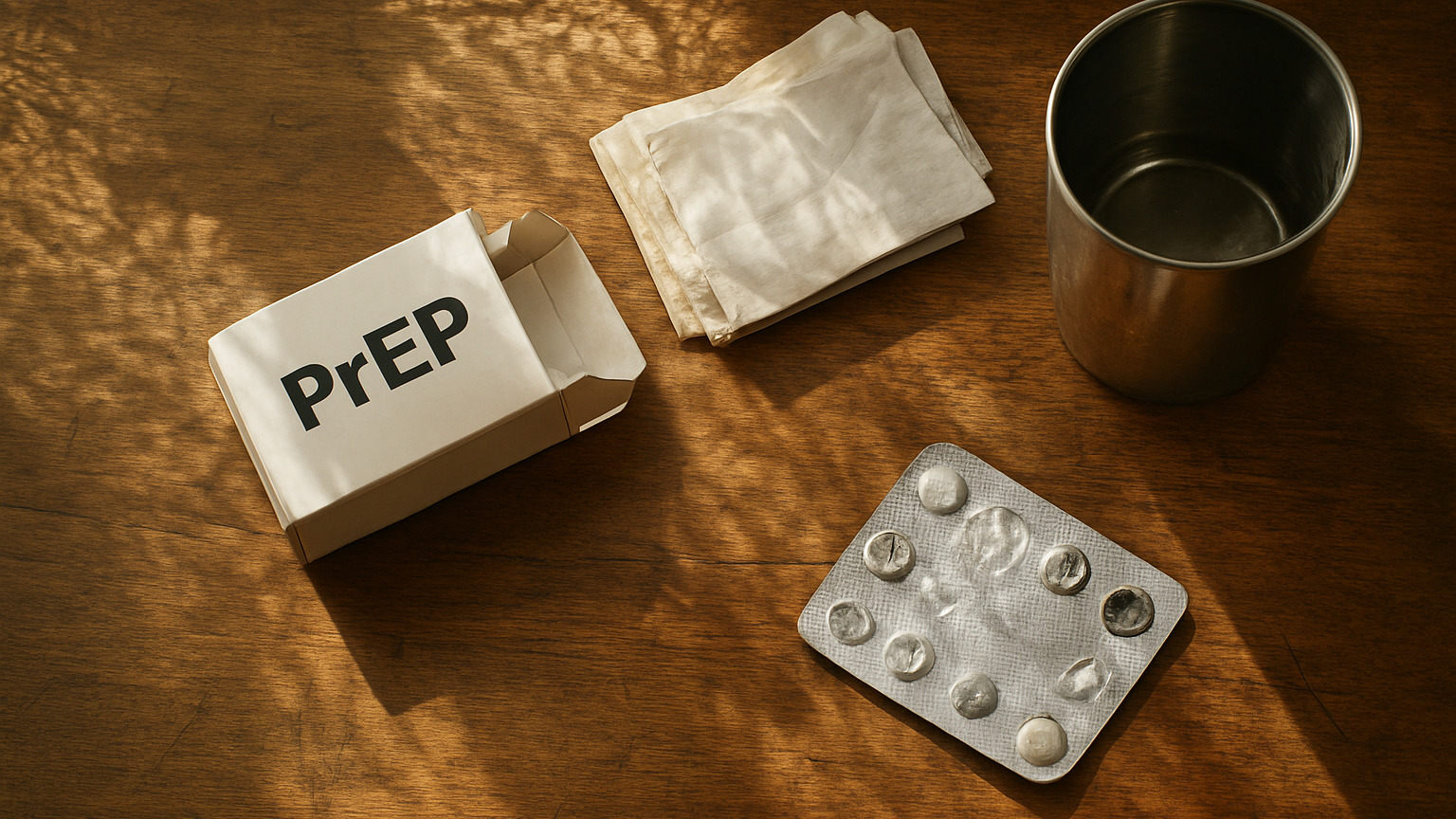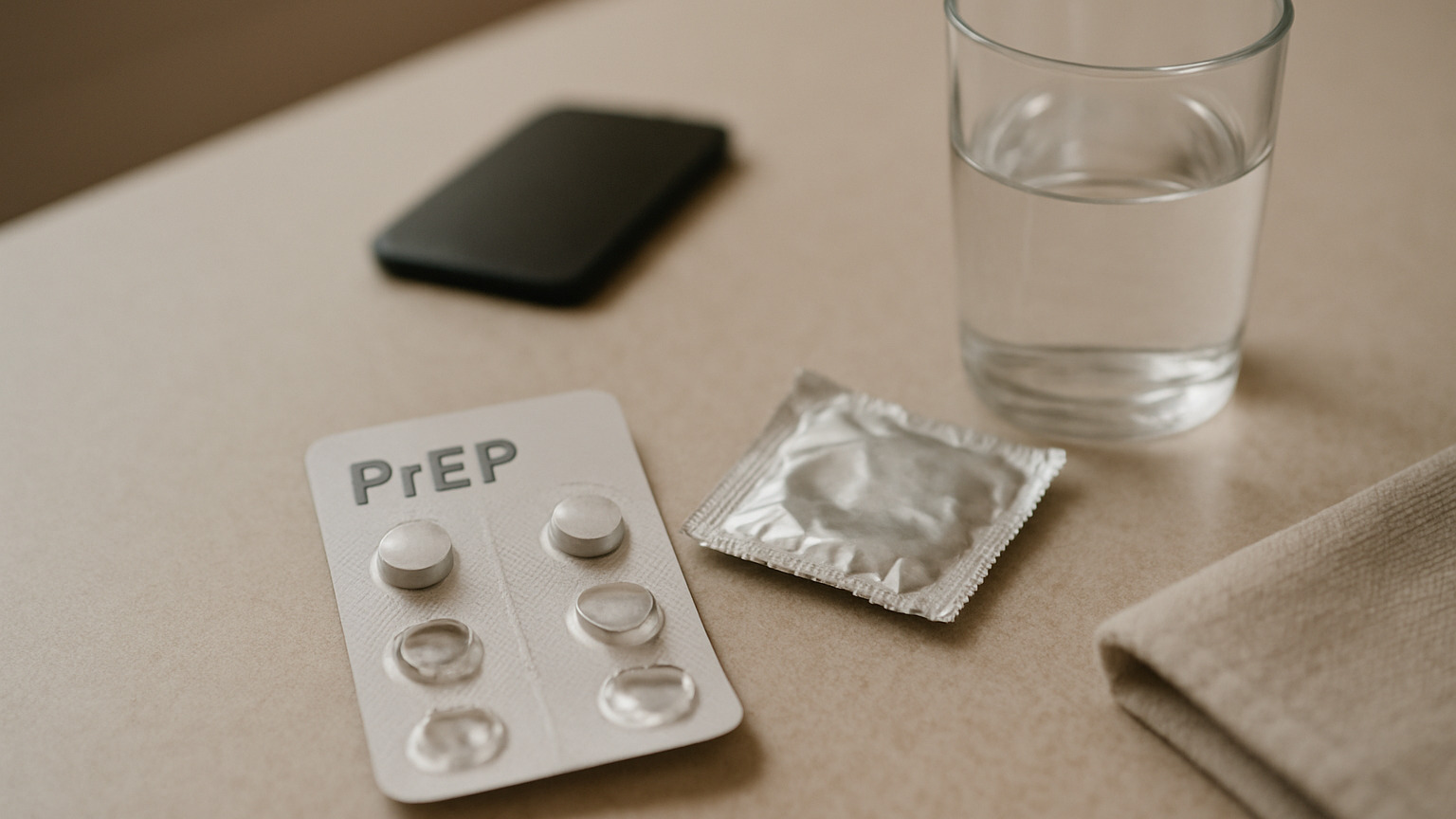
PrEP prevents HIV extremely well and prevents nothing else at all. So the question is not whether condoms add anything to your HIV protection, which they largely do not if PrEP is taken correctly, but whether the other infections they cover are ones you would rather avoid.
What do condoms add?
Substantial reduction in gonorrhoea and chlamydia at the sites they cover. Meaningful reduction in syphilis and hepatitis B. Partial reduction in herpes and HPV, limited by skin contact outside the covered area. Modest reduction in mpox. Some protection against hepatitis C where sex is traumatic enough to cause bleeding.
Which of those matter most?
It depends on your situation. Gonorrhoea is the most common and is becoming harder to treat, which is an argument that goes beyond your own convenience. Syphilis rates have risen substantially and the initial sore is often painless and internal. Hepatitis A and B, HPV and mpox are all preventable by vaccination, which is free and does not depend on remembering anything during sex.
What has actually happened since PrEP?
Condom use has fallen among men taking PrEP, and rates of bacterial infections have risen over the same period. How much of that rise is genuine and how much reflects the intensive three-monthly screening that comes with PrEP is genuinely debated, since screening finds silent infections that were previously never counted. Both things are true to some degree.
Is it inconsistent to take PrEP and not use condoms?
No, and framing it that way tends to end useful conversations. Someone who has decided that HIV was the risk they most wanted removed, and who screens every three months and is fully vaccinated, has made a coherent set of choices. Someone who uses both has made a different coherent set. The incoherent position is taking PrEP, abandoning condoms, and also skipping screening and vaccination.
What should you have in place if you do not use condoms?
Three-monthly screening at every site you use, which comes with the PrEP prescription. Hepatitis A and B, HPV and mpox vaccination completed rather than started. The meningococcal B vaccine where the gonorrhoea programme runs. Doxy-PEP if you are eligible and it is available locally. That combination covers a great deal of what condoms would have.
Does situational use make sense?
It is what most people actually do. Condoms with new partners and not with regular ones, or at sex parties and not otherwise, or during periods when an infection is circulating in a local network. This is a reasonable way to use a tool that has a cost attached rather than an all-or-nothing rule.
What about telling a partner?
Saying you take PrEP tells them you are protected against HIV and nothing about anything else, and some partners hear it as broader reassurance than it is. If you are not using condoms, the more useful exchange is when each of you last tested and what for.
What if a partner assumes PrEP means no condoms?
That assumption is common and worth correcting rather than accepting silently. Saying that PrEP covers HIV and nothing else is a short sentence that changes what both of you are deciding on, and it is more useful than an argument about whether condoms are necessary in the abstract.
The way to think about it
PrEP removed one item from the list. Vaccination removes several more. Screening finds what gets through. Condoms reduce the remainder. Deciding which layers you want is reasonable; assuming one layer covers the others is not.
Does it change during an outbreak?
Worth considering. When mpox or a particular infection is circulating locally, a period of condom use is a proportionate response even for someone who does not use them ordinarily. Prevention does not have to be a fixed policy.
What about the insertive partner?
The same logic applies in both directions. Being on PrEP protects you from HIV whichever role you take, and does nothing about the gonorrhoea you might acquire at the urethra or pass on.