Regulated home HIV tests are accurate when used correctly and after the window period has passed. The important details are which kit you use, when you use it, and what a positive result actually means.
What is the difference between a self-test and a postal kit?
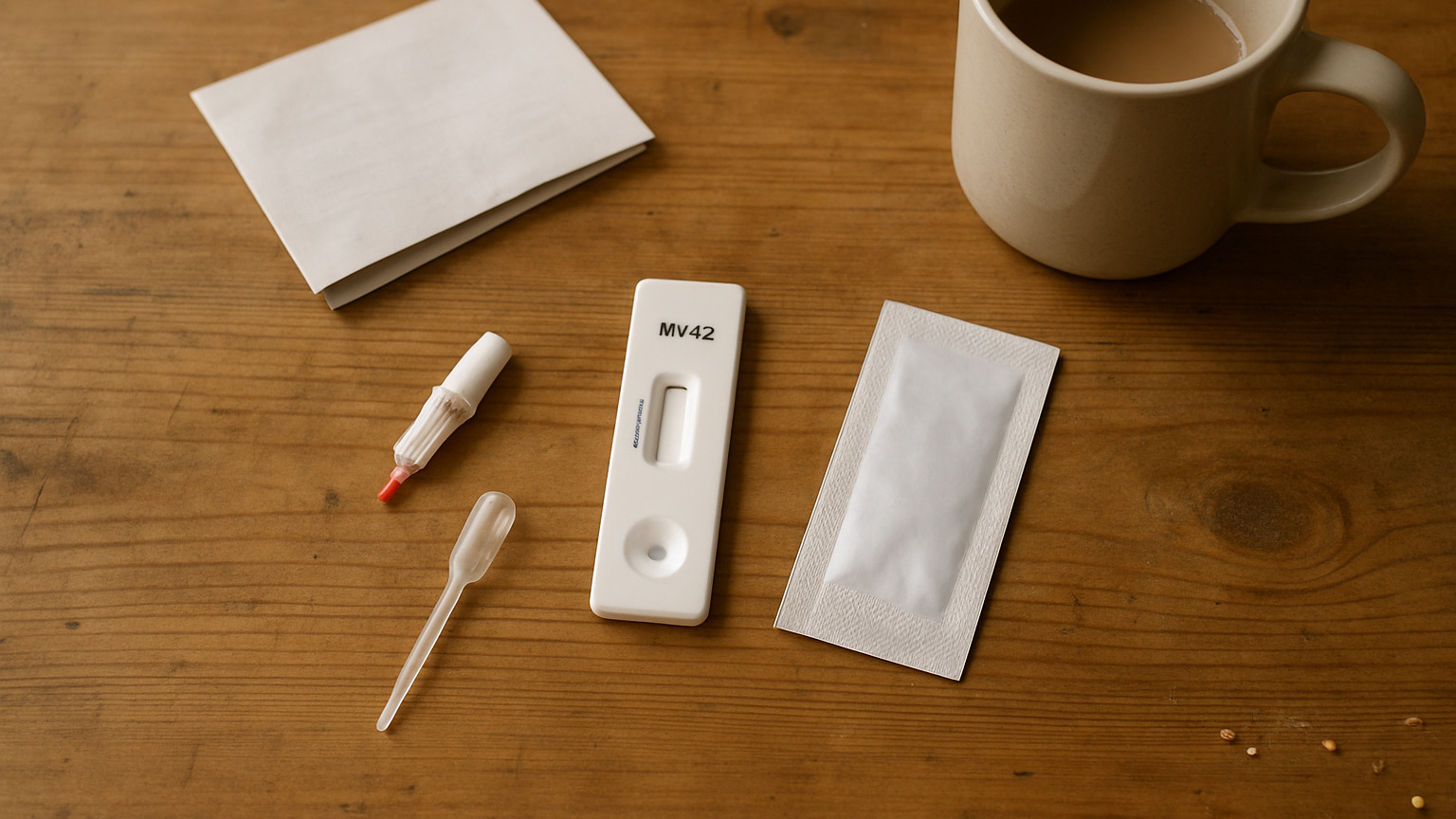
A self-test gives you a result at home in minutes, from a finger-prick sample, with nobody else involved. A postal kit means taking samples at home and sending them to a laboratory, with results in a few days. Postal kits test for more infections; self-tests are usually HIV only.
How accurate are they?
Regulated self-tests are highly accurate after the window period, with very high sensitivity and specificity. The main causes of a wrong result are using one too early, not following the instructions, or not collecting enough blood.
What is the window period?
Most self-tests detect antibodies only, which means up to ninety days after exposure for a conclusive result. Laboratory fourth-generation tests, which detect antigen as well, are conclusive at forty-five days. A negative self-test taken three weeks after an exposure does not rule it out.
What does reactive mean?
Not confirmed. A reactive self-test result means further testing is needed, and it must be confirmed by a laboratory test at a clinic. False positives do occur. Nobody is diagnosed on the basis of a self-test alone, and going to a clinic promptly is the next step.
How do you know a kit is regulated?
Look for a CE or UKCA mark and buy from a pharmacy, a recognised retailer, or a free scheme run by a sexual health service or charity. Unregulated kits sold through marketplaces and social media are not reliable, and a wrong result either way carries real consequences.
How do you take one properly?
Read the instructions first rather than during. Warm your hands, which makes the finger prick far easier. Let the blood drip rather than squeezing hard, which dilutes the sample. Read the result within the stated time window, since results read too early or too late can be wrong.
Are they free anywhere?
Frequently. Sexual health services and charities including Terrence Higgins Trust run free self-test and postal kit schemes, and availability varies by area. Worth checking before paying, since a great many people buy something available at no cost.
What if you are on PrEP?
Use the clinic testing that comes with your prescription rather than relying on self-tests. PrEP can affect how an infection presents and the monitoring schedule exists for that reason. Three-monthly clinic or postal testing is part of the prescription rather than an optional extra.
What about testing after PEP?
Follow the clinic's schedule rather than testing at home, since PEP can delay seroconversion and the timing differs from the usual windows.
What do self-tests not cover?
Everything else. Gonorrhoea, chlamydia, syphilis, hepatitis and mpox are unaffected, and rectal and throat infections are silent in the great majority of cases. A negative HIV self-test says nothing about any of them, which is why a full screen matters.
What if the result is negative but you are still worried?
Check the window period first, then repeat at the correct interval. If you are testing repeatedly and the relief never lasts, that is health anxiety rather than a testing problem, and it responds well to treatment.
The short answer
Accurate if regulated and used after the window. Reactive means confirm at a clinic, and a negative HIV result covers nothing else.
What about tests for other infections?
Postal kits cover chlamydia, gonorrhoea, syphilis and hepatitis alongside HIV, using samples sent to a laboratory. Instant home tests for those are not generally reliable and are not recommended.
Is a negative result a reason to skip clinic testing?
No. A self-test covers one infection at one moment. Regular screening covers every site and every common infection, which is what actually protects you and your partners.