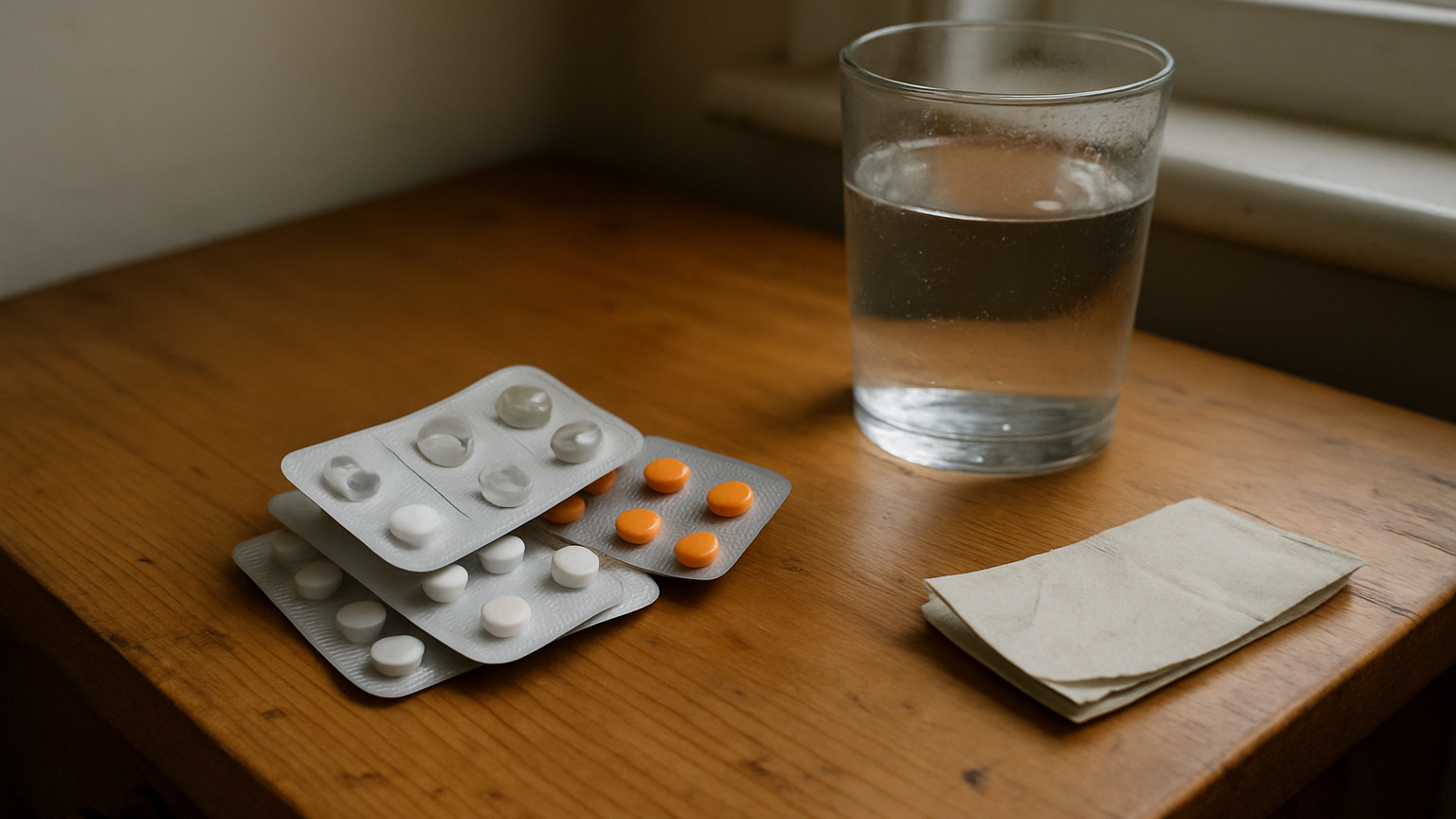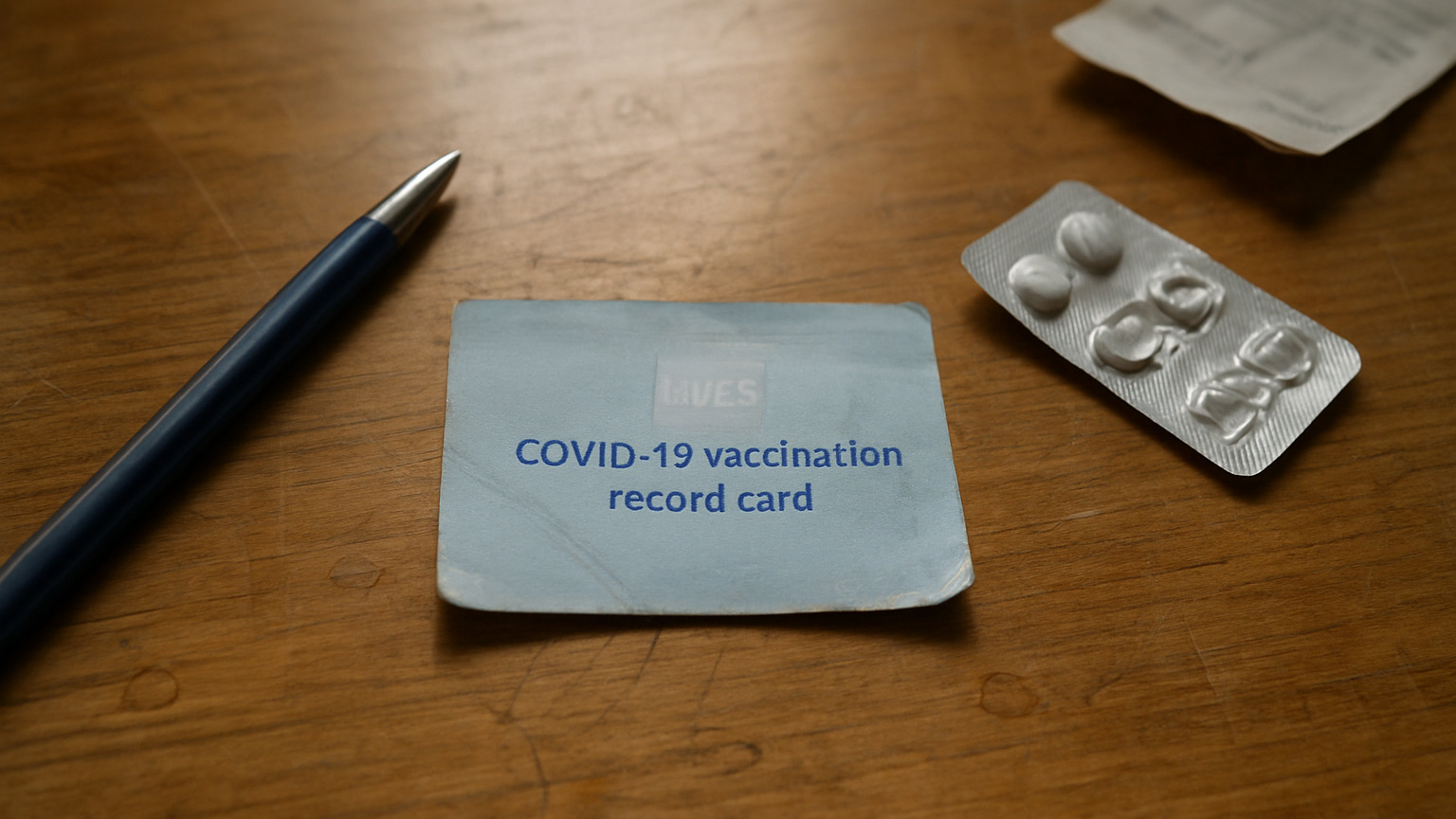
Around one in ten adults does not develop a protective antibody level after a full hepatitis B vaccine course, and there is no way to predict who in advance. This is why UK guidance recommends checking the response in groups where it matters, including men who have sex with men. Someone who assumes a completed course means protection, without ever testing, may be relying on something that is not there.
How is non-response identified?
A blood test measuring hepatitis B surface antibody, taken one to four months after the final dose of the primary course. A level of ten milli-international units per millilitre or above is generally taken as protective. Below that is classified as non-response, and a level between the two is sometimes treated as a partial response requiring a further dose. Ask for this test rather than waiting to be offered it, since busy services do not always arrange it automatically.
Why do some people not respond?
Several factors reduce the likelihood of a good response: being older, smoking, being significantly overweight, having chronic kidney disease or coeliac disease, being immunosuppressed and living with HIV, particularly with a lower CD4 count. Sometimes there is no identifiable reason at all. Injecting into fat rather than muscle can also blunt the response, which is one reason the injection is given into the upper arm rather than elsewhere.
What happens next?
The usual approach is a second full course, and a substantial proportion of people who did not respond the first time will respond to the repeat. Antibody levels are checked again afterwards. Some services use a higher-dose formulation or an alternative vaccine for the repeat course, particularly in people with kidney disease or HIV. If you still do not respond after two full courses, you are classed as a true non-responder, and further courses are not usually pursued.
What protection do true non-responders have?
None from vaccination, which has to be planned around rather than worried about indefinitely. The management is that if you have a specific significant exposure, such as a needlestick injury or condomless sex with someone known to have hepatitis B, you receive hepatitis B immunoglobulin, which provides temporary passive protection and works best given quickly. Make sure this is recorded somewhere you can find it, because in an emergency department at three in the morning nobody will know your vaccine history unless you can tell them.
Does it change what you should do day to day?
It raises the value of everything else. Condoms for anal sex reduce hepatitis B transmission considerably. Not sharing injecting equipment, including filters, spoons and water rather than only needles, matters more than for someone who is protected. Regular screening including hepatitis B testing lets any infection be identified early, and while acute hepatitis B in adults usually resolves, a minority develop chronic infection that needs monitoring and sometimes treatment.
Could you already have had it?
Worth ruling out. Some people classified as non-responders turn out to have past or current hepatitis B infection, which produces a different antibody pattern. A full hepatitis B panel measuring surface antigen, core antibody and surface antibody distinguishes these situations, and clinics will usually check this before embarking on a second course.
What if you never had the response test?
Ask for it, even years later. A level checked long after the course is harder to interpret, since antibodies decline over time in people who did respond, but a clinician can usually work out what to do, which is often a single booster dose followed by a level check a month later. That approach distinguishes waning antibodies with intact immune memory from genuine non-response.
Does non-response mean anything about your health?
Usually nothing at all. It is common enough to be unremarkable, and the identifiable causes are mostly mundane: age, smoking, weight. It is not evidence of a broader immune problem, and it does not predict how you will respond to other vaccines, which is worth saying because people occasionally take it as a worrying finding rather than a technical one.
What should you tell a partner?
If a regular partner has hepatitis B, tell them you are a non-responder, because it changes what you both do. Their treatment status matters, since effective antiviral treatment substantially reduces infectiousness, and condoms for anal sex remain worthwhile. A conversation once is easier than managing it in an emergency.