A urine sample tells you about your urethra and nothing else. If you have receptive anal sex or give oral sex, most of the infections you might have are not in your urethra at all. Studies of men attending sexual health services consistently find that a large majority of chlamydia and gonorrhoea infections in this group are at rectal or throat sites, and a substantial share of those men have nothing detectable in urine. Testing one site and calling it a screen is the most common way an infection goes undetected.
What does each sample cover?
A first-catch urine sample detects chlamydia and gonorrhoea in the urethra. A self-taken rectal swab detects them in the rectum. A throat swab detects them in the pharynx. Blood tests cover HIV, syphilis and, where indicated, hepatitis B and C. There is no sample that covers everything, and no test result at one site says anything about another.
How often is the extra swab the only positive?
Frequently. Clinic data has repeatedly shown that if you only test urine, you miss the majority of gonorrhoea and chlamydia in men who have sex with men. Rectal infections are usually silent and throat infections almost always are, so there is rarely a symptom prompting anyone to ask for the extra swab. The result is a man who has tested regularly for years, always negative, carrying and transmitting an infection the whole time.
Does it change what happens next?
Yes, in practical ways. Rectal chlamydia is why UK guidance moved to seven days of doxycycline rather than a single azithromycin dose, because the single dose cleared urethral infection well and rectal infection poorly. Rectal symptoms may prompt testing for lymphogranuloma venereum, which needs three weeks of treatment rather than one. Throat gonorrhoea is harder to eradicate and generally warrants a test of cure. Knowing the site changes the drug, the duration and the follow-up.
Does it affect HIV risk?
Untreated rectal infection causes inflammation that brings immune cells to the mucosal surface and disrupts the barrier, measurably increasing the chance of acquiring HIV during receptive anal sex. Detecting and clearing those infections is a genuine prevention measure rather than just tidiness, which is part of why regular screening sits alongside PrEP rather than being made redundant by it.
Do you have to explain why you want them?
No. Three-site screening is the standard offer for men who have sex with men in UK sexual health services, and asking for it is routine rather than unusual. If a service defaults to urine only, say that you have receptive anal sex or give oral sex and would like rectal and throat swabs included. Staff will not be surprised, and you are asking for the guideline-recommended screen rather than a favour.
How are the swabs taken?
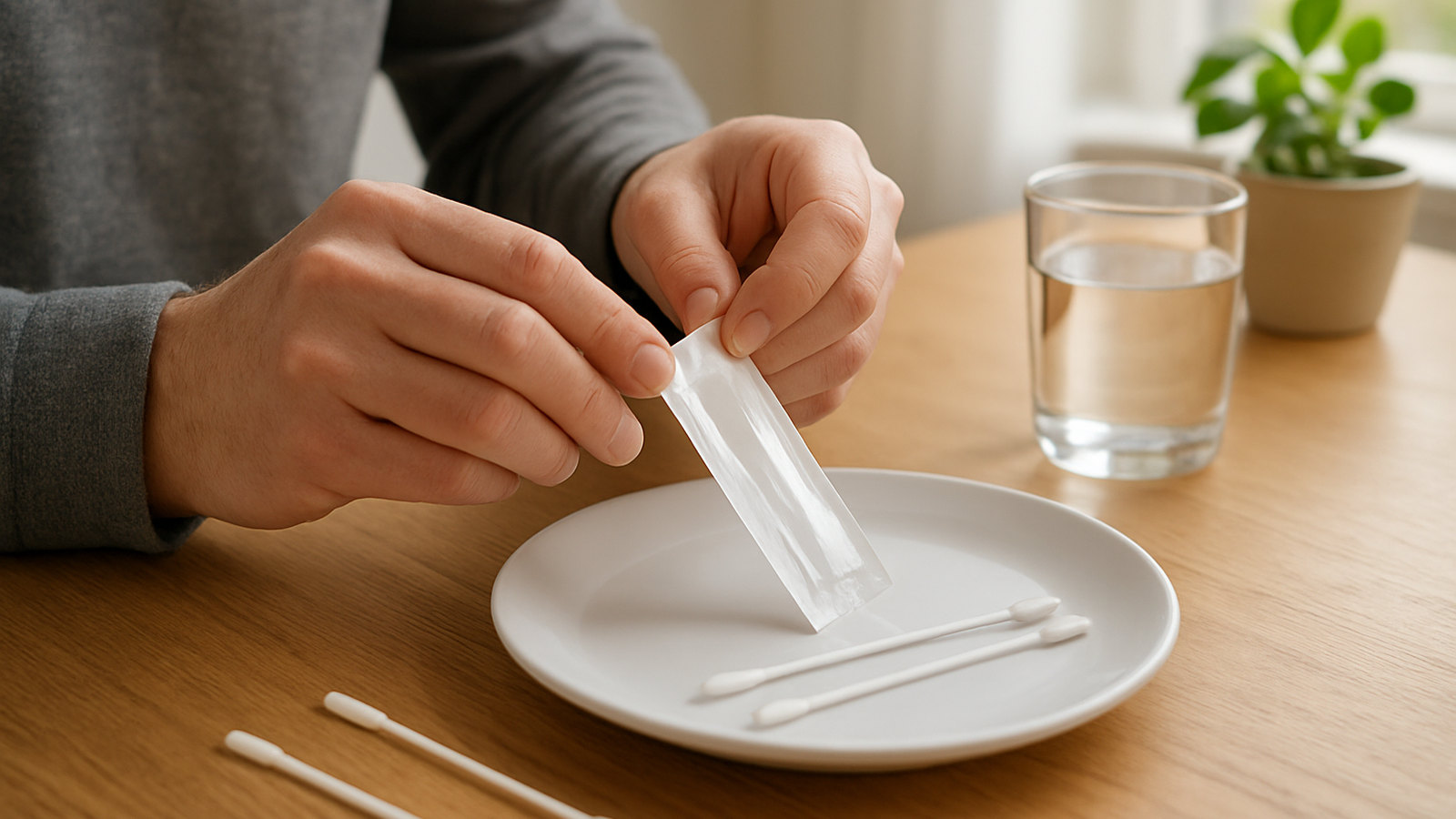
Almost all UK services now use self-taken samples. A rectal swab is inserted a few centimetres into the anus and rotated for a few seconds. A throat swab is rubbed against the tonsils and the back of the throat, which can make you gag briefly. Neither is painful and both take under a minute. Postal kits from services such as SH:24 include both on request, so a full screen does not require an appointment.
Which sites should you sample?
The straightforward rule is to sample every site you use, not every site you used with the partner you are worried about. Infections persist for months, so the relevant question is what you have done since your last screen rather than what happened last Saturday. If you are having condomless sex with new partners, a three-site screen plus bloods every three months is the interval most UK guidance settles on.
Does a negative urine result mean anything?
It means your urethra is clear of chlamydia and gonorrhoea at the point you sampled, and that is the entirety of what it means. It carries no information about your throat or rectum, and it says nothing about HIV, syphilis or hepatitis, which are blood tests. People routinely describe a negative urine result as having been tested for everything, and that misunderstanding is doing a lot of quiet damage. Read your result as a statement about one site and one pair of infections, then check what else you actually sampled.