
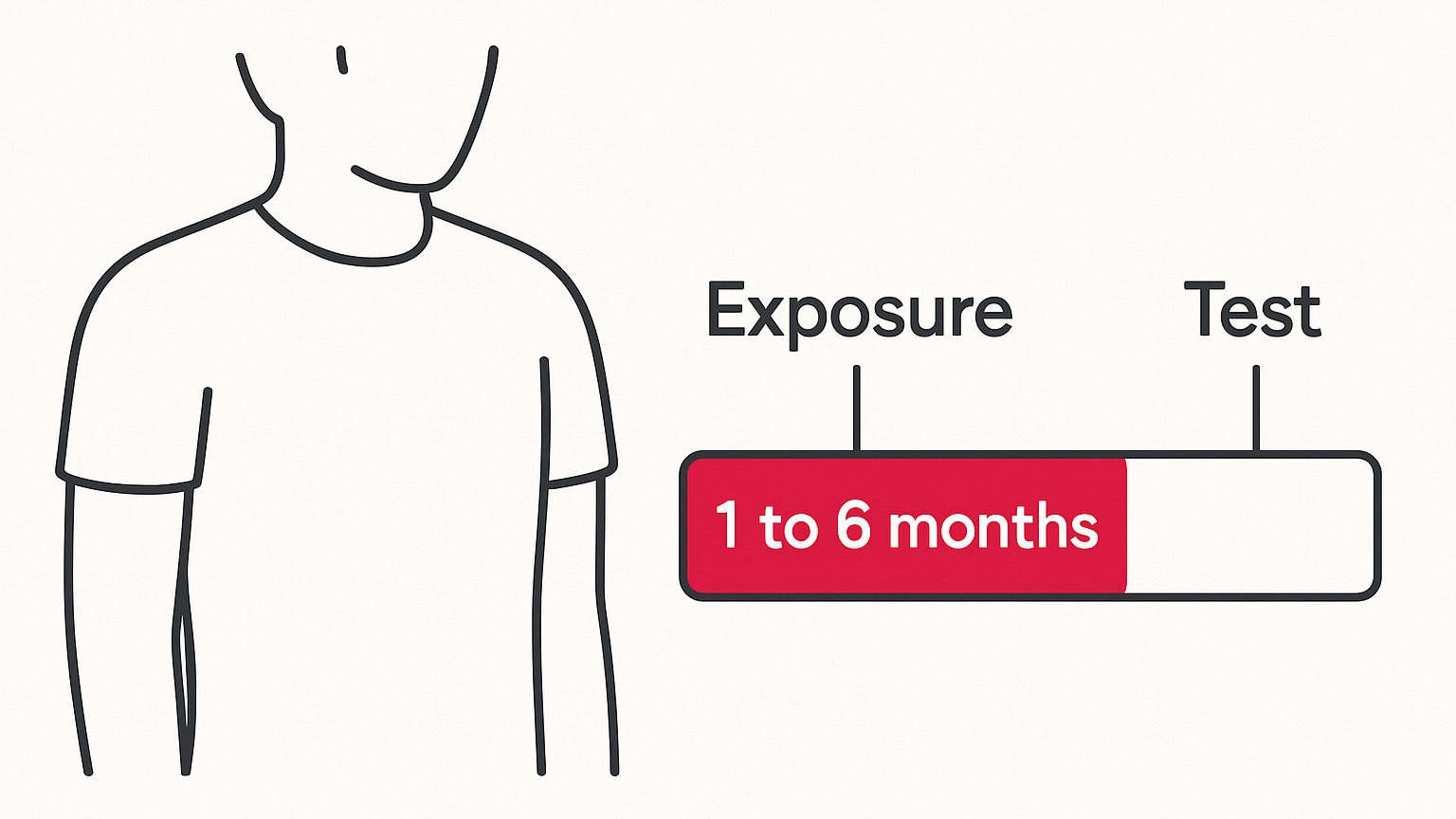
Most people starting modern HIV treatment reach an undetectable viral load within one to six months, and a large proportion get there within three. Modern regimens built around integrase inhibitors work faster than the drugs available a decade ago, and viral load usually falls steeply within the first few weeks before the last part of the decline takes longer.
What does the curve look like?
The first drop is dramatic. A viral load of several hundred thousand commonly falls by ninety per cent or more in the first fortnight, then continues down more gradually. The final stretch from a few hundred copies to below fifty is the slowest part, which can be frustrating when the early results felt so encouraging. Clinics generally check at around four weeks, three months and six months in the initial period.
What affects how quickly it happens?
A very high starting viral load takes longer simply because there is further to fall. Which regimen you are on matters, with integrase-based combinations generally achieving suppression faster. Adherence matters most of all: modern drugs are forgiving of an occasional missed dose but not of a pattern of missed doses. Untreated infections elsewhere, including other sexually transmitted infections, can cause temporary immune activation that slows things slightly.
What if it is taking longer?
Slow suppression is not automatically a problem, particularly from a very high baseline. Your clinic will look at three things: whether you are taking the medication consistently, whether anything is interfering with absorption, and whether the virus has resistance to part of your regimen. Interactions are a common and easily fixed cause, particularly antacids, and supplements containing calcium, magnesium, iron or zinc, all of which bind integrase inhibitors in the gut and can substantially reduce absorption if taken at the same time.
What is the difference between undetectable and cured?
Undetectable means the amount of virus in your blood is below what the test can measure. The virus is still present in reservoirs in the body, which is why treatment continues indefinitely and why stopping leads to viral load rebounding within weeks. It is control rather than cure, and it is a control that works well enough that life expectancy approaches normal.
When does U equals U apply?
Once suppression is sustained, which is generally taken as at least six months of consistent undetectable results on consistent treatment. Reaching undetectable once is not the same as being sustainably suppressed. Your clinic will tell you when you are in that position, and it is a reasonable thing to ask about directly rather than inferring.
What should you do in the meantime?
Take the medication at roughly the same time each day, keep the appointments, and use condoms or support a partner in taking PrEP until suppression is established. Attend for the follow-up bloods even if you feel entirely well, since how you feel says nothing about viral load.
What happens after suppression?
Monitoring becomes less frequent, typically every three to six months and in some stable cases annually. The regimen may be simplified, and some people become eligible for long-acting injectable treatment given every two months instead of daily tablets. Undetectable status is maintained rather than achieved once, which is why adherence remains the whole basis of it.
If suppression is lost
A sustained rise is investigated rather than assumed to be your fault. Resistance testing determines whether the regimen needs changing, and there are many options available. People who lose suppression and regain it do so routinely, and the sooner it is identified the fewer options are lost.
What if the first result is disappointing?
A four-week viral load that is much lower but not undetectable is the expected result rather than a bad one, and clinics sometimes explain this poorly. The steep early fall followed by a slow final stretch is normal biology. Judging progress by a single number rather than the trend causes a lot of avoidable worry in the first months.
Should you change anything while waiting?
Take the tablet at roughly the same time daily, keep antacids and mineral supplements several hours away from it, and tell the clinic about anything else you take. Nothing else speeds it up, and no diet or supplement shortens the timeline.
Can you be told when you reach it?
Ask for your actual numbers rather than general reassurance, and ask when your clinic considers you sustainably suppressed. That is when the transmission question is settled, and it deserves a clear answer.


