The risk of acquiring HIV varies enormously by act, and the differences are larger than most people expect. Understanding the hierarchy is useful not because it tells you what to avoid but because it tells you where prevention effort is worth concentrating.
Receptive anal sex
By some distance the highest-risk sexual act. Estimates put the per-act risk at roughly one in a hundred or somewhat higher when the other person has a detectable viral load. The rectal lining is a single layer of delicate cells rather than the multiple layers found elsewhere, it is easily disrupted, and it sits directly against immune cells the virus targets. This one act accounts for the majority of sexual HIV transmission among men who have sex with men.
Insertive anal sex
Considerably lower, roughly a tenth of the receptive figure, though still meaningful. Transmission occurs through the urethra and through the inner foreskin, which is why circumcision reduces risk somewhat for the insertive partner. Being the insertive partner is a reduction rather than a protection.
Vaginal and frontal sex
Receptive vaginal or frontal sex sits below insertive anal sex, and insertive vaginal sex lower again. These figures are relevant for anyone whose partners include women, trans men or non-binary people with front holes, and they are frequently omitted from material aimed at gay men.
Oral sex
Very low, low enough that PEP is not usually recommended for it. Saliva contains enzymes that inactivate HIV and the oral mucosa is more robust than rectal tissue. Documented transmissions exist but are rare and generally involved bleeding gums, mouth ulcers or a partner with acute infection. Bacterial risk from oral sex is a completely different matter and is substantial.
Fisting, rimming and toys
HIV risk from these acts alone is low. What raises it is the mucosal damage they can cause, which increases susceptibility if unprotected anal sex follows in the same session. Fisting carries a specific hepatitis C risk through blood contact rather than an HIV one.
What changes the figures?
The other person's viral load, more than anything. A partner with a sustained undetectable viral load cannot transmit HIV sexually, at which point every figure above becomes zero. A partner in acute infection has an extraordinarily high viral load and the risk is many times the average. An untreated existing infection causing inflammation, bleeding during sex, or a recent rectal infection all increase susceptibility.
How should you use this information?
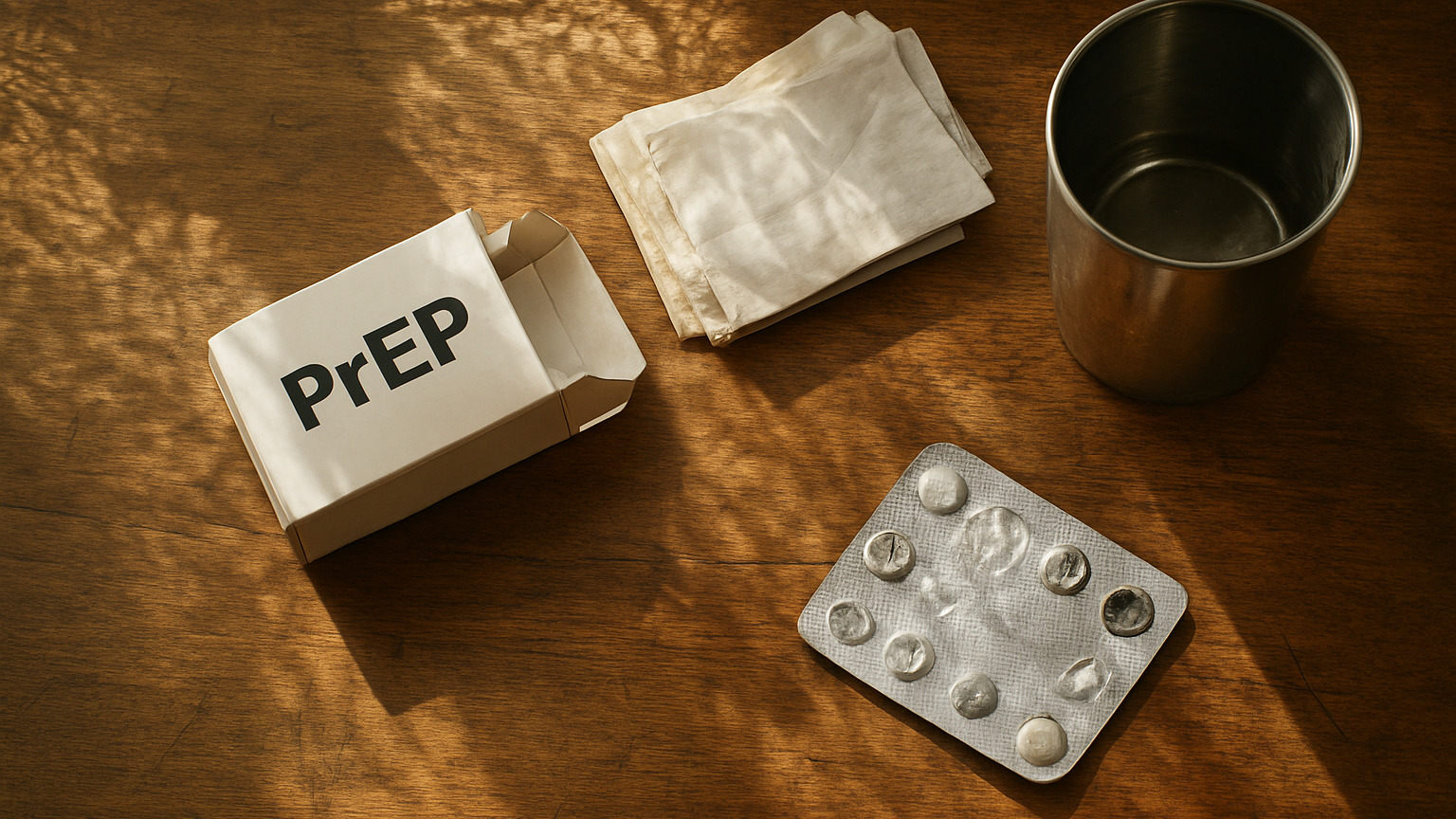
Not as a licence to calculate your way through an evening. Per-act figures are averages across populations and say little about a specific encounter with a specific person. Their practical value is in prioritising: if you have receptive anal sex, PrEP is the intervention with the largest effect available to you, and everything else is secondary to that.
What about repeated exposure?
Risk accumulates. A one per cent per-act risk repeated many times becomes substantial, which is why a strategy based on individual acts being low risk fails over time. This is the argument for a standing arrangement such as PrEP rather than an assessment made each time.
What does this not cover?
Every other infection. Gonorrhoea, chlamydia and syphilis transmit efficiently through acts that carry almost no HIV risk, particularly oral sex. A hierarchy built around HIV is a poor guide to bacterial infections, which follow a different pattern entirely.
The practical conclusion
If receptive anal sex is part of your life, that is where prevention should be aimed, and PrEP addresses it more effectively than any adjustment to what you do. The rest of the hierarchy is context rather than a plan.
Where do the numbers come from?
Pooled analyses of observational studies, mostly conducted before PrEP and before treatment as prevention were established. They describe historical averages across populations with varying viral loads and varying rates of other infections, which is why they should be read as a hierarchy rather than as a calculator. The ordering has held up well; the absolute figures are less useful than they look.
Does having a foreskin matter?
For the insertive partner, somewhat. The inner foreskin contains cells particularly susceptible to HIV, and circumcision reduces risk for the insertive partner, with the effect better established for vaginal than anal sex. It is a modest reduction rather than protection, and it changes nothing for the receptive partner.