Almost everyone has had sex they later wished they had not. It is common, it is not evidence of a character problem, and the useful response is to deal with the things that have a clock attached and then everything else at a more reasonable pace.
The first seventy-two hours
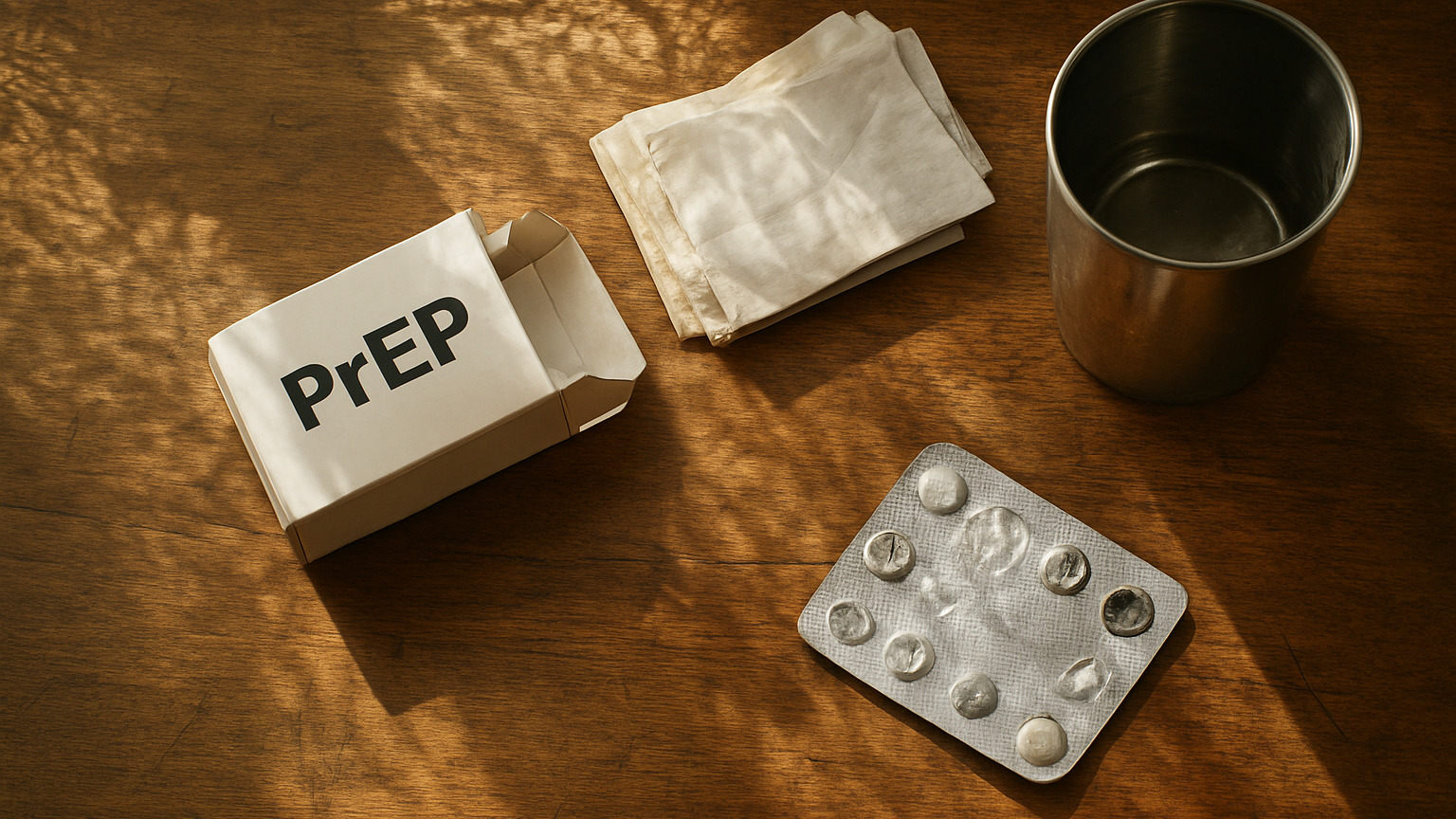
If HIV exposure is possible and you were not covered by PrEP, PEP is available and must be started within seventy-two hours, working best within twenty-four. Go to a sexual health clinic in opening hours or A&E outside them, and say post-exposure prophylaxis at reception along with how many hours have passed. If you are eligible for doxy-PEP, a dose within twenty-four hours reduces chlamydia and syphilis substantially.
What not to do
Do not douche or use antiseptics internally, which damage the mucosal lining and increase rather than reduce infection risk. Do not take leftover antibiotics. Washing the outside is fine and does very little either way.
When consent is the issue
If you were too drunk or too high to agree to what happened, if you said no and were ignored, or if a condom was removed without your knowledge, that is not something you brought on yourself and it is not regret in the ordinary sense. Sexual assault referral centres provide care, forensic options if you want them, and support, and PEP is available without any requirement to involve the police. Sexual health clinics can also help and will not treat it as your misjudgement.
The testing schedule
Two weeks for chlamydia and gonorrhoea at every site you use, since a urine sample alone will miss rectal and throat infections. Six weeks for a laboratory HIV test, which is conclusive at forty-five days. Twelve weeks for syphilis and hepatitis. If you take PEP, your clinic will set a different schedule. Avoid condomless sex until the HIV result is back.
What if you cannot remember what happened?
Common after a heavy night, and it does not stop you getting help. Describe what you do know and let a clinician work with it. Gaps in memory after drinking or drug use are worth mentioning in their own right, particularly if this is a pattern.
What about the feeling itself?
Regret after sex is frequently not about the act. It attaches to loneliness, to a period of feeling low, to substance use, or to a gap between how you want your life to look and how it looks at the moment. Treating it as a moral failing tends to make the pattern worse rather than better, since shame is not a reliable motivator and often drives more of the same.
When is it worth talking to someone?
If this keeps happening, if it is tied to drinking or drug use, if you are having sex you do not want in order to feel less alone, or if you find yourself in situations you cannot get out of. Sexual health clinics have health advisers whose job includes exactly this, and larger services have psychology attached with shorter waits than general mental health routes. Terrence Higgins Trust and local LGBT services also offer support.
What to avoid
Deciding not to attend a clinic because you are embarrassed about the circumstances. Staff hear versions of this every week and are interested in the timeline rather than the story. Delay costs you the PEP window, which is the one part of this that cannot be recovered.
The order that works
Clock first, tests next, and the rest when you are ready.
What if a partner keeps contacting you?
You are not obliged to reply. Blocking is a complete response. If contact becomes threatening or persistent, that is worth reporting, and support services will take it seriously rather than treating it as a consequence of how you met.
Is it worth telling anyone you know?
Often, if there is someone who will not make it worse. Carrying it alone tends to amplify it, and the practical steps are easier to take when someone else knows you are taking them.