Almost everything useful happens before you arrive. Once you are in a room with several people, alcohol or drugs and a shifting situation, the decisions you make will be worse than the ones you made at home. Preparation is therefore where the effort belongs.
Before you go
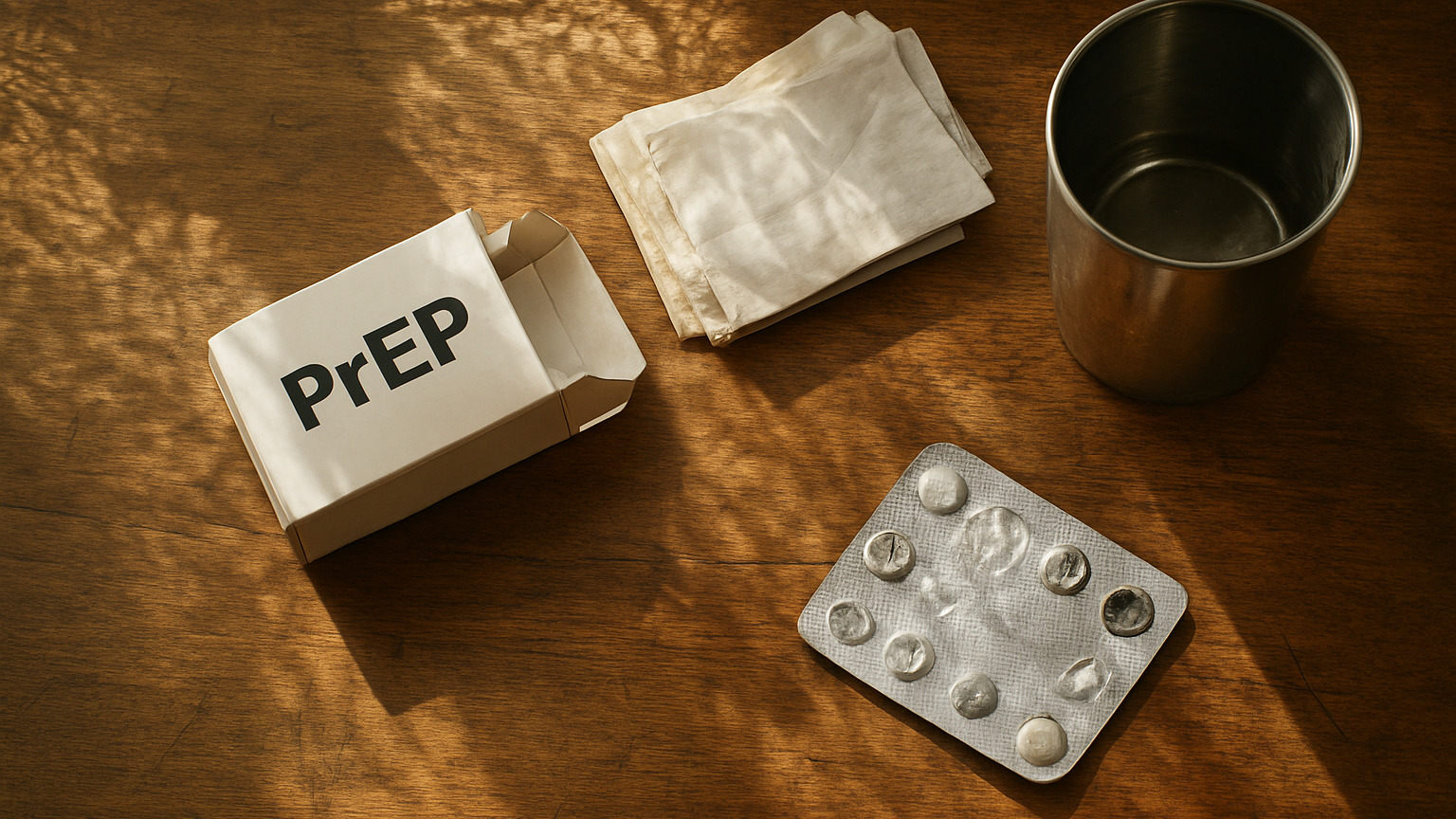
Be on PrEP and taking it correctly, with the loading period complete. Have your vaccinations finished rather than started: hepatitis A and B, HPV, mpox, and the meningococcal B vaccine where the gonorrhoea programme is running. These four things account for most of what you can control.
What to take
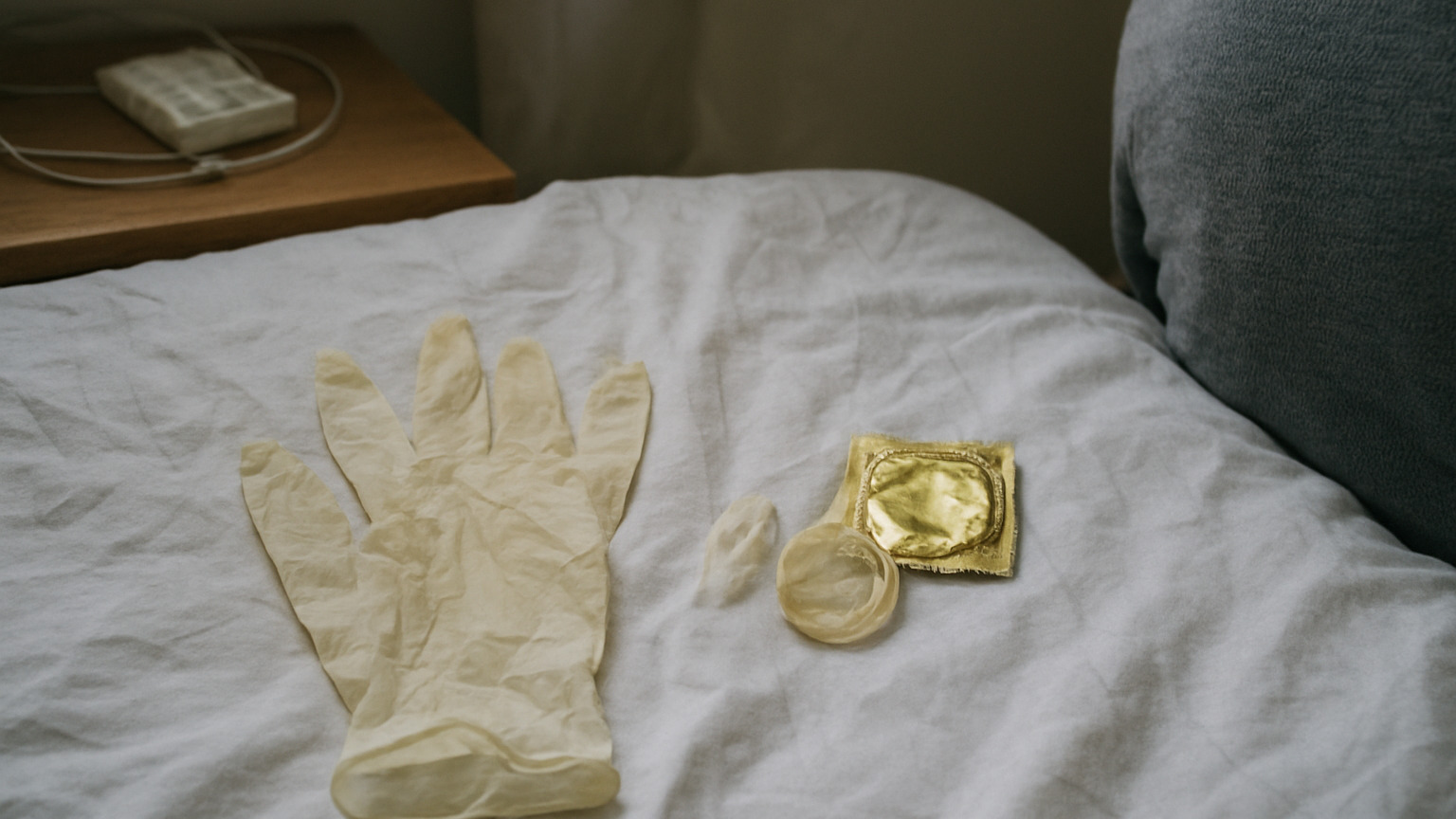
Your own lubricant in your own container, condoms in the width that fits you, nitrile gloves if fisting or fingering is likely, a phone charger, water, and the number of a sexual health clinic. If you take PrEP or HIV treatment, take the dose you will need. If you are eligible for doxy-PEP, take a dose with you.
Why your own lubricant?
Communal tubs that multiple hands dip into are a documented route for moving blood between people, which matters for hepatitis C specifically. Individual containers or pump dispensers solve this entirely, and bringing your own removes any negotiation about it.
Shared equipment
Toys should have a condom on them, changed between people. Anything porous cannot be cleaned properly and should not be shared at all without one. Do not share douching equipment, which moves gut organisms and blood between people efficiently. Change gloves between partners.
Drugs
GHB is the main danger, because the margin between an effective dose and an overdose is narrow and it compounds badly with alcohol and other sedatives. If it is being used, measure doses with a syringe rather than by eye, space them by a known interval and write the times down, do not mix with alcohol, and never take it alone. If you are on HIV treatment containing a booster, stimulants can reach dangerous levels, which is worth checking before rather than after.
Have a person
Go with someone, or tell someone where you are and when you expect to be home. Agree with at least one person in the room that you will keep an eye on each other. Most serious incidents at these events involve someone who was unwell and unnoticed for a period.
What is an emergency?
Someone who cannot be roused, is breathing slowly or irregularly, is having a seizure, or has blue lips needs an ambulance immediately. Put them in the recovery position, stay with them, and tell the paramedics exactly what was taken. Nobody is arrested for this and the information changes the treatment. Heavy rectal bleeding, severe abdominal pain or fever after fisting also mean A&E rather than waiting.
Setting your own limits beforehand
Decide in advance what you are and are not doing and tell someone, because the version of you at three in the morning will negotiate differently. This is not about being restrictive; it is about the decision being made once, sober, rather than repeatedly under pressure.
Afterwards
If HIV exposure is possible and you were not covered by PrEP, PEP is available within seventy-two hours. Take doxy-PEP within twenty-four hours if you have it. Screen at two weeks covering every site, with HIV bloods at six weeks and syphilis at twelve. Include hepatitis C if there was fisting, injecting or bleeding. Sleep and eat properly for a few days; comedown after stimulants typically peaks two or three days later and lifts.
What about knowing the venue?
Whether it is a private flat or an organised venue changes what is available. Organised spaces often provide condoms, lubricant and sometimes a member of staff who can call an ambulance. A private party may have none of that, which raises the value of bringing your own supplies and going with someone.
Can you leave?
Always, and it is worth knowing how before you need to. Have a way home that does not depend on anyone else, keep enough phone battery for it, and do not put yourself somewhere you cannot get out of. Deciding in advance that you can leave at any point without explanation makes it considerably easier to actually do.