Washing the outside of your body after sex is harmless and does very little to reduce infection risk, because transmission has already occurred by then. The more important point is that several of the things people do in an attempt to clean themselves internally are actively harmful.
Why does washing not help?
Because infections establish at mucosal surfaces within minutes to hours, not over the course of an evening. By the time anyone reaches a shower, gonorrhoea or chlamydia has already reached the cells it needs, and HIV has already crossed the mucosal barrier or has not. Nothing applied externally afterwards changes that.
Why is douching afterwards harmful?
Douching strips the mucus layer that protects the rectal lining and causes microscopic damage to the epithelium. Both of those increase susceptibility to infection rather than reducing it. Douching after sex is therefore not neutral; it makes the situation worse while feeling productive, which is a bad combination.
What about antiseptics or soap internally?
Worse still. Antiseptic washes, hydrogen peroxide, vinegar, bleach in any dilution and soap used internally all damage the mucosal surface. Nonoxynol-9, once marketed as a spermicidal protection, was shown to increase HIV risk for exactly this reason. Nothing you can apply internally kills pathogens without also damaging the tissue protecting you.
Does urinating afterwards help?
Only marginally and only for urinary tract infections, which are not the main concern here. It does not flush out a urethral gonorrhoea or chlamydia infection, and it has no effect on HIV. It is harmless and is not a prevention measure.
Is there anything worth doing?
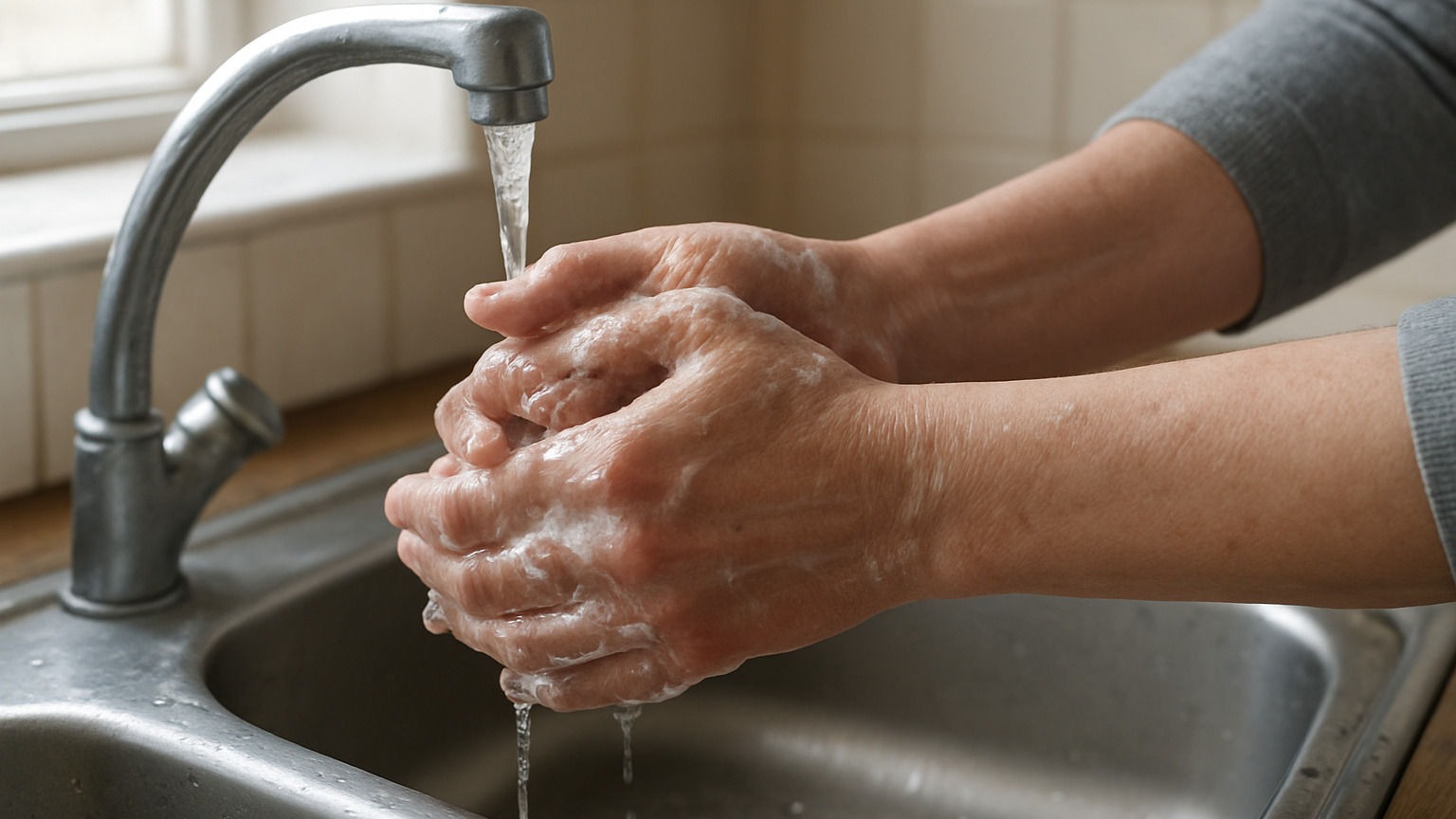
Handwashing with soap, genuinely. Faecal-oral transmission is how hepatitis A and shigella spread through sexual networks, and washing hands with soap before eating or touching your face after sex reduces that. Alcohol gel is less effective than soap against hepatitis A specifically, so use a sink rather than a bottle.
What about mouthwash?
Some research has looked at whether antiseptic mouthwash reduces pharyngeal gonorrhoea, with mixed results. It is not established practice and should not be relied on, though it is unlikely to do harm. Throat swabs every three months remain the way pharyngeal infections are actually found.
What about cleaning toys and equipment?
This does matter, though it is prevention for the next occasion rather than for the last one. Wash non-porous toys with soap and water and dry them, use a condom when sharing, and change it between people. Do not share douching equipment.
What actually reduces risk after the fact?
Two things with time limits. PEP within seventy-two hours if HIV exposure is possible and you are not covered by PrEP. Doxy-PEP within twenty-four hours if you are eligible, which reduces chlamydia and syphilis substantially. Both are medical interventions rather than hygiene measures, and both work on a clock.
What about washing before sex?
Reasonable and unremarkable. Washing externally beforehand is fine and is what most people do. It is the internal cleaning that carries the risk, and doing it well in advance rather than immediately before is the version that causes least damage.
The point worth taking
The urge to wash after sex is understandable and mostly harmless if it stays external. The moment it becomes internal, it stops being neutral. If you douche, do it well before sex rather than afterwards, with small volumes and low pressure.
What about douching before sex?
Different question with a different answer. If you douche, do it well before rather than immediately before, so the lining is not freshly stripped at the moment of exposure. Keep volumes small and pressure low, use lukewarm water or saline, and never use soap or any cleansing solution.
Does showering matter at all?
For comfort and for the ordinary reasons people shower, yes. As an infection control measure, it is doing very little. Nobody should feel they have failed to protect themselves by not showering, and nobody should feel protected because they did.