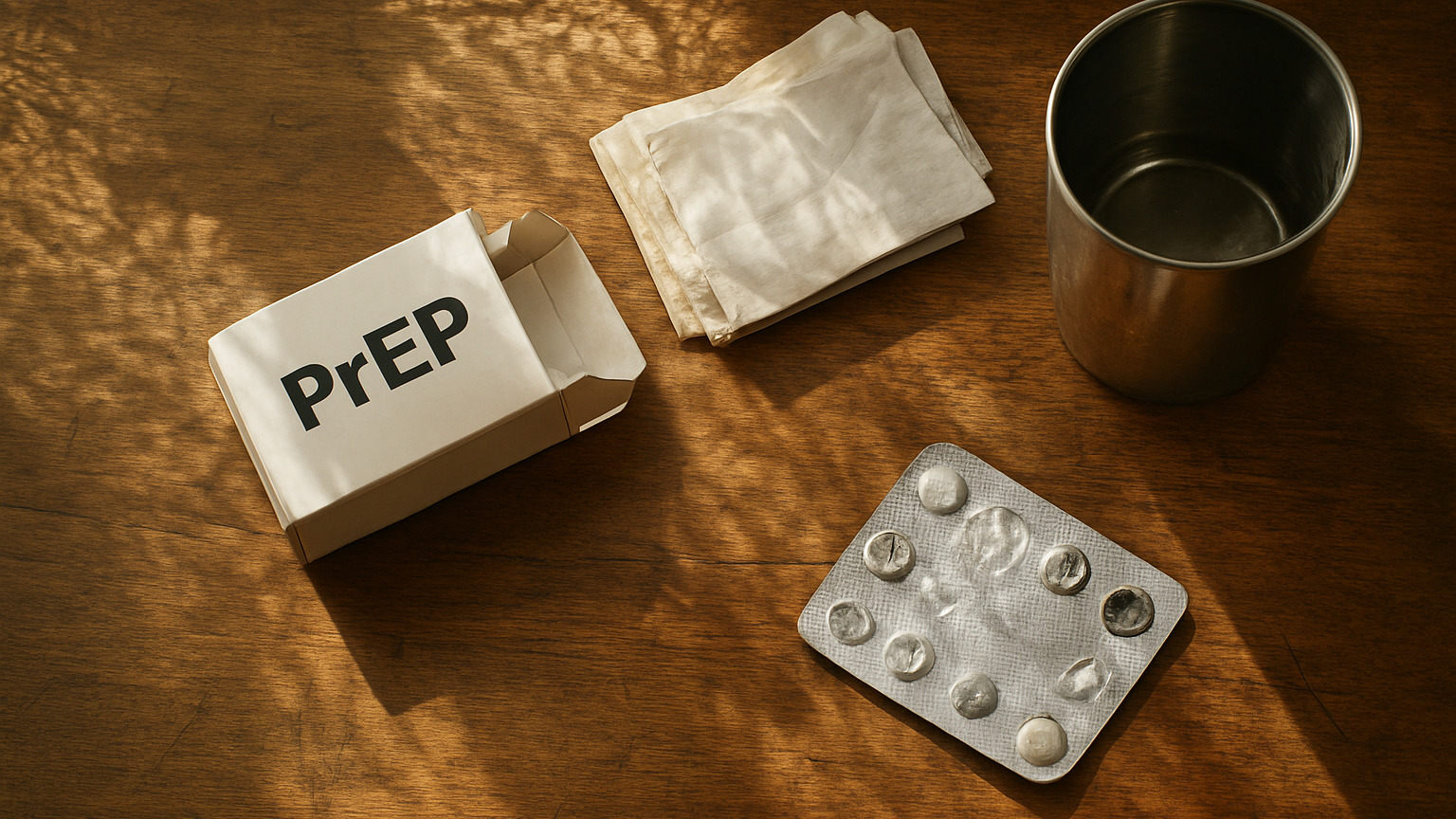
PrEP is not a lifetime commitment, and stopping when you do not need it is a reasonable decision rather than a failure. Plenty of people use it in periods that match their lives: on during a busy few months, off during a relationship, on again afterwards. What matters is doing both ends properly.
How do you stop?
Continue taking it after your last sexual exposure rather than stopping the same day. For anal sex, two further days of tablets. For vaginal or frontal sex, seven further days. This tail exists because drug levels need to remain protective while any exposed cells pass through the vulnerable period, and skipping it undoes part of what the previous weeks achieved.
Why does hepatitis B matter?
The drugs in PrEP suppress hepatitis B as well as HIV. If you have chronic hepatitis B, stopping PrEP can allow the virus to rebound and cause a flare of hepatitis, which can be serious. This is why hepatitis B status is checked before you start, and it is the single strongest reason to tell your clinic before stopping rather than simply not collecting the next prescription.
What else should you do when stopping?
Have a final HIV test after the tail doses are complete, which the clinic will arrange. Ask what to do if circumstances change, so you know how to restart without needing an appointment first. Consider whether you still want the three-monthly screening that came with the prescription, since losing PrEP often means losing the routine testing alongside it, and that is a bigger practical loss than people expect.
How do you restart?
The same way you started. For anal sex, a double dose two to twenty-four hours before, then daily. Or seven days of daily dosing before relying on it. For vaginal or frontal sex, seven days of daily with no shortcut. Treat yourself as unprotected until the loading is complete.
Do you need to see the clinic again?
If your last HIV test is more than a few months old, yes, because starting PrEP with undiagnosed HIV risks resistance developing. Kidney function should also be current. Most clinics will see someone restarting quickly, and some will issue a supply while tests are processed. Ring rather than assuming you have to wait.
What about stopping because of a relationship?
Common, and worth thinking through rather than deciding on the first evening. If you are closing a relationship, a proper baseline takes about three months to complete, covering two weeks for bacterial infections, six weeks for HIV and twelve for syphilis. Staying on PrEP until that is finished is a reasonable position, and continuing afterwards is equally reasonable if it removes a worry you would rather not have.
What about stopping because of side effects?
Talk to the clinic first. Early symptoms usually settle within a month, and switching to event-based dosing reduces the number of tablets for people whose problems are dose related. Stopping quietly means nobody has the chance to solve it.
The two rules worth remembering
Finish with the tail doses, and load again before you rely on it. Almost every gap in protection among people who use PrEP intermittently comes from getting one of those two wrong.