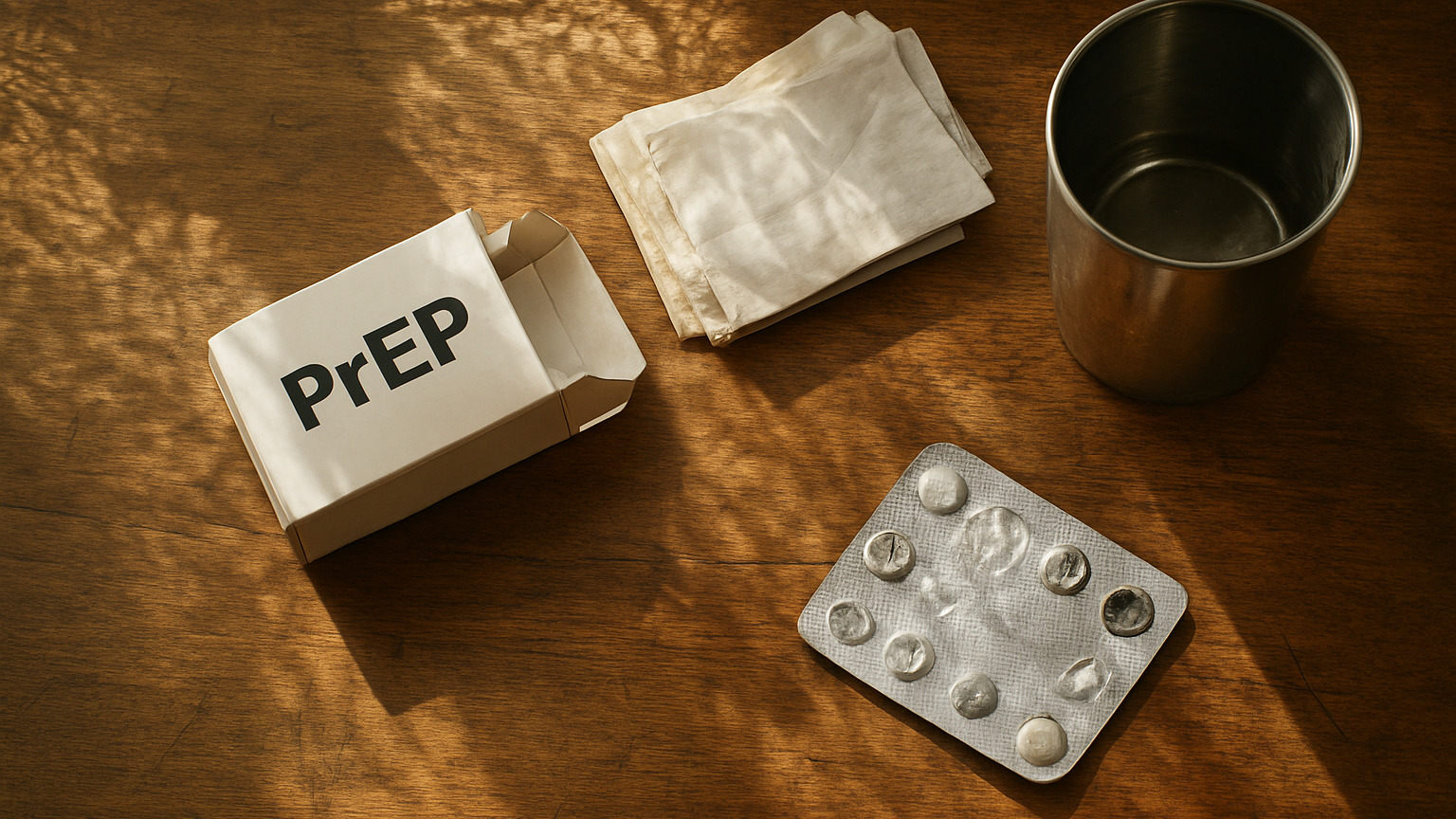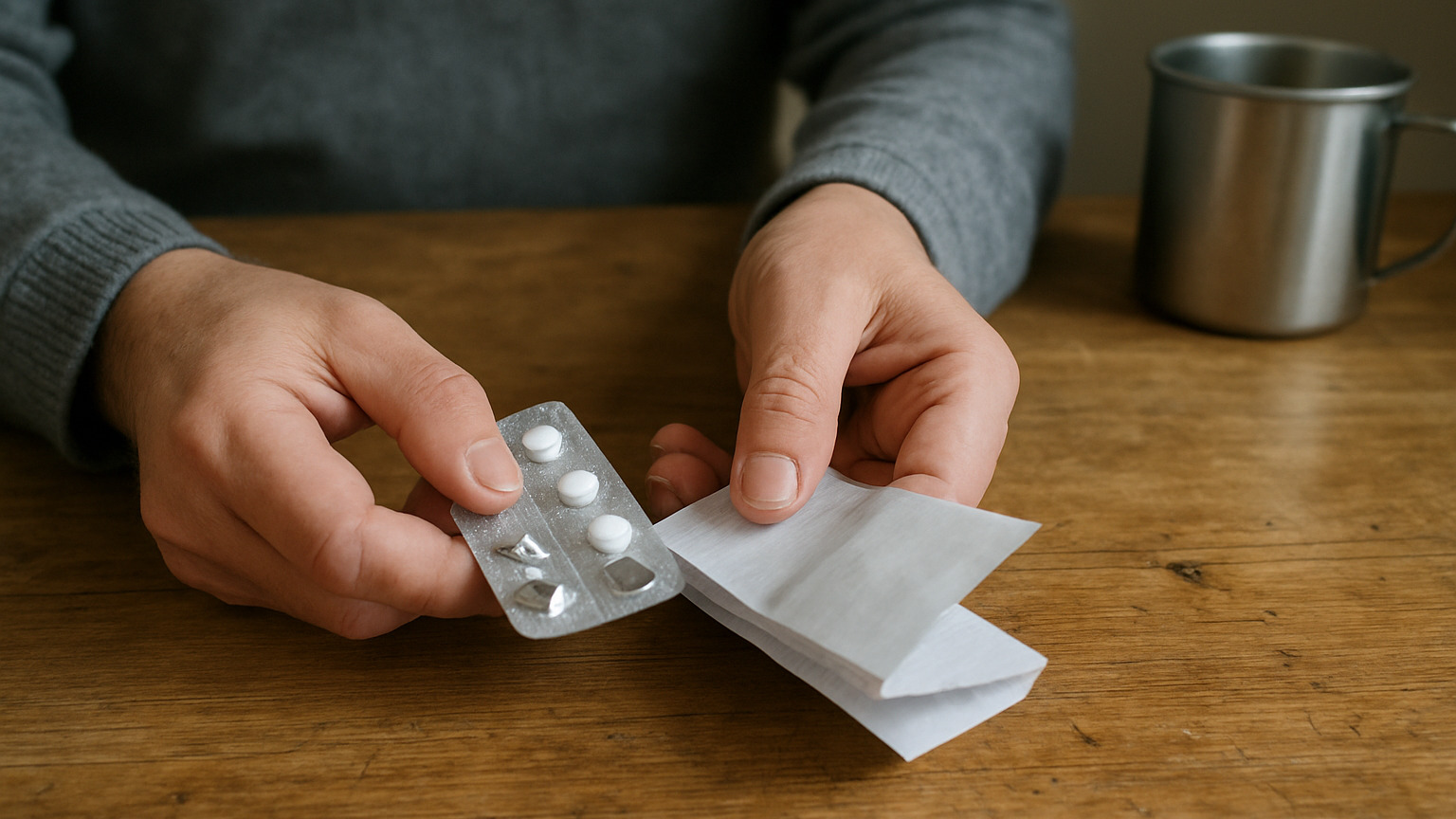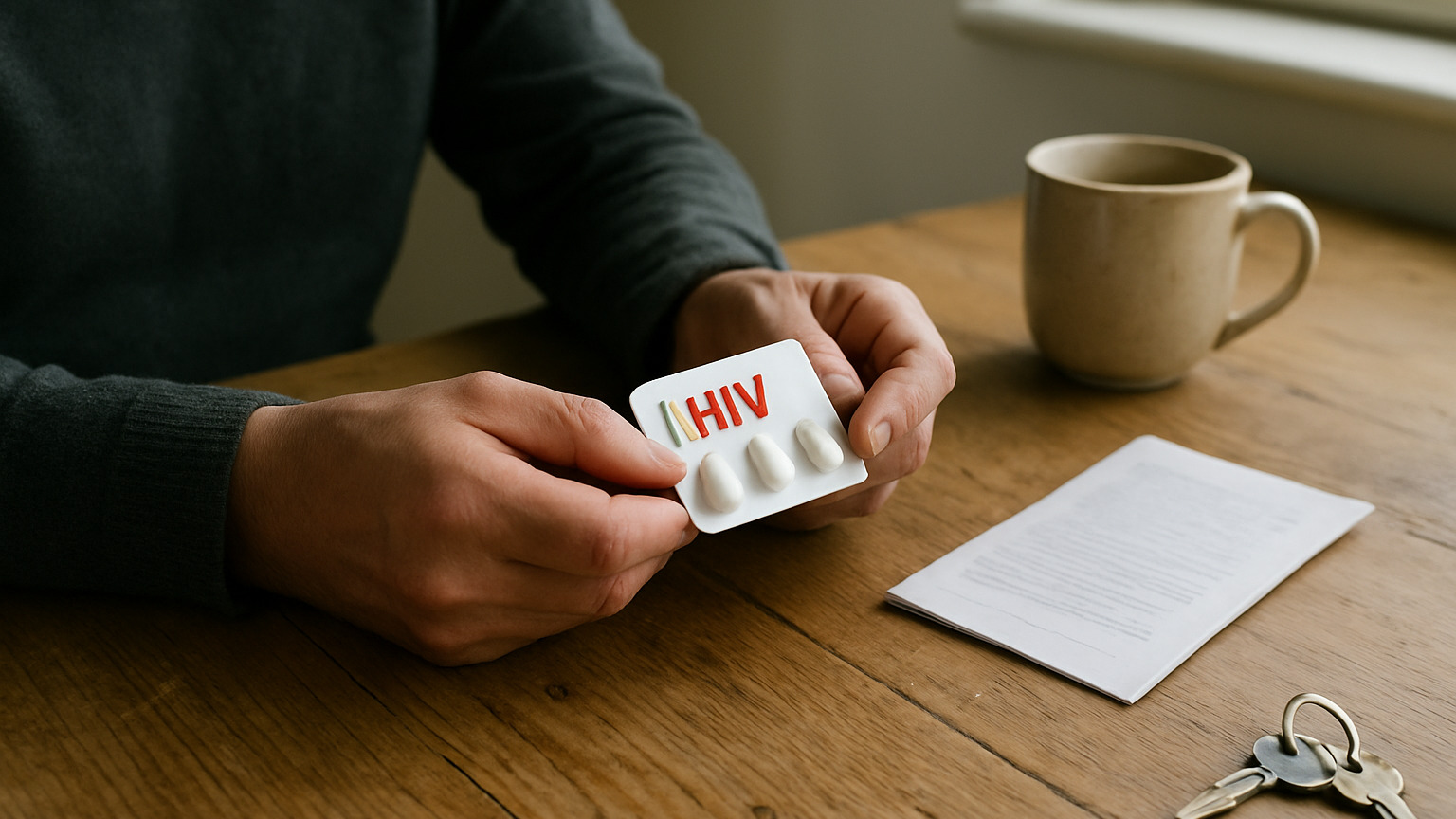
PEP stands for post-exposure prophylaxis. It is a twenty-eight day course of antiretroviral medication taken after a possible exposure to HIV, and it substantially reduces the chance that an infection becomes established. The entire thing depends on speed: it must be started within seventy-two hours, and every hour before that matters.
Why is the window so tight?
After HIV crosses a mucosal surface it takes time to reach lymph nodes, establish itself in immune cells and spread through the body. That process takes roughly a day to a few days. PEP works by putting antiretroviral drug into the system before that establishment is complete, so replication is blocked while the immune system clears what is there. Once the infection has taken hold, the drugs cannot undo it, and they become treatment rather than prevention.
How much does the timing matter?
A great deal. PEP is most effective started within a few hours, remains worthwhile through the first day, declines in effect over the following two, and is not given beyond seventy-two hours. If something happened last night, go this morning rather than after work. If it happened three days ago, go anyway and let a clinician calculate the exact interval, since people frequently misjudge it.
What does the course involve?
Three antiretroviral drugs, usually as one or two tablets a day for twenty-eight days. UK regimens typically combine tenofovir disoproxil and emtricitabine with either dolutegravir or raltegravir. Modern combinations are considerably better tolerated than those used a decade ago, when nausea caused many people to abandon the course partway through.
What happens at the appointment?
A risk assessment covering what happened, when, and what is known about the other person. A baseline HIV test, which must be negative, since PEP is not adequate treatment for established infection. Blood tests for kidney and liver function and hepatitis B status. Then the first dose, usually given on the spot, with the rest of the course dispensed or a short starter pack provided until you can collect the remainder.
Where do you go?
A sexual health clinic during opening hours. An accident and emergency department outside them. Both provide PEP free. Say the words post-exposure prophylaxis at reception and explain the timing, because the urgency is not always obvious to staff who do not work in this area, and being triaged as a routine attendance wastes hours you do not have.
What if you are already on PrEP?
If you have been taking PrEP correctly, you are already protected and PEP is not needed. If you have missed doses, started too recently to be covered, or stopped without completing the tail doses, PEP may well be appropriate. Explain your dosing honestly rather than saying only that you take PrEP, since the detail determines the answer.
What does it cost?
Nothing. PEP is free through the NHS regardless of GP registration, address or immigration status, in the same way as all sexual health and HIV care. Nobody will ask you to pay and nobody will report your attendance anywhere.
What if you are unsure whether you need it?
Go and ask. The assessment takes a short time and costs nothing, and a clinician can tell you whether the exposure warrants it. Spending the seventy-two hours deciding is the outcome to avoid, and people who talk themselves out of attending at hour twelve frequently return at hour eighty when nothing can be done.
What follows the course?
An HIV test at the end of the twenty-eight days and again four to six weeks afterwards, because the medication can delay seroconversion and an earlier negative is not conclusive. This is also the natural point to discuss starting PrEP, since needing PEP once suggests the situation may recur.