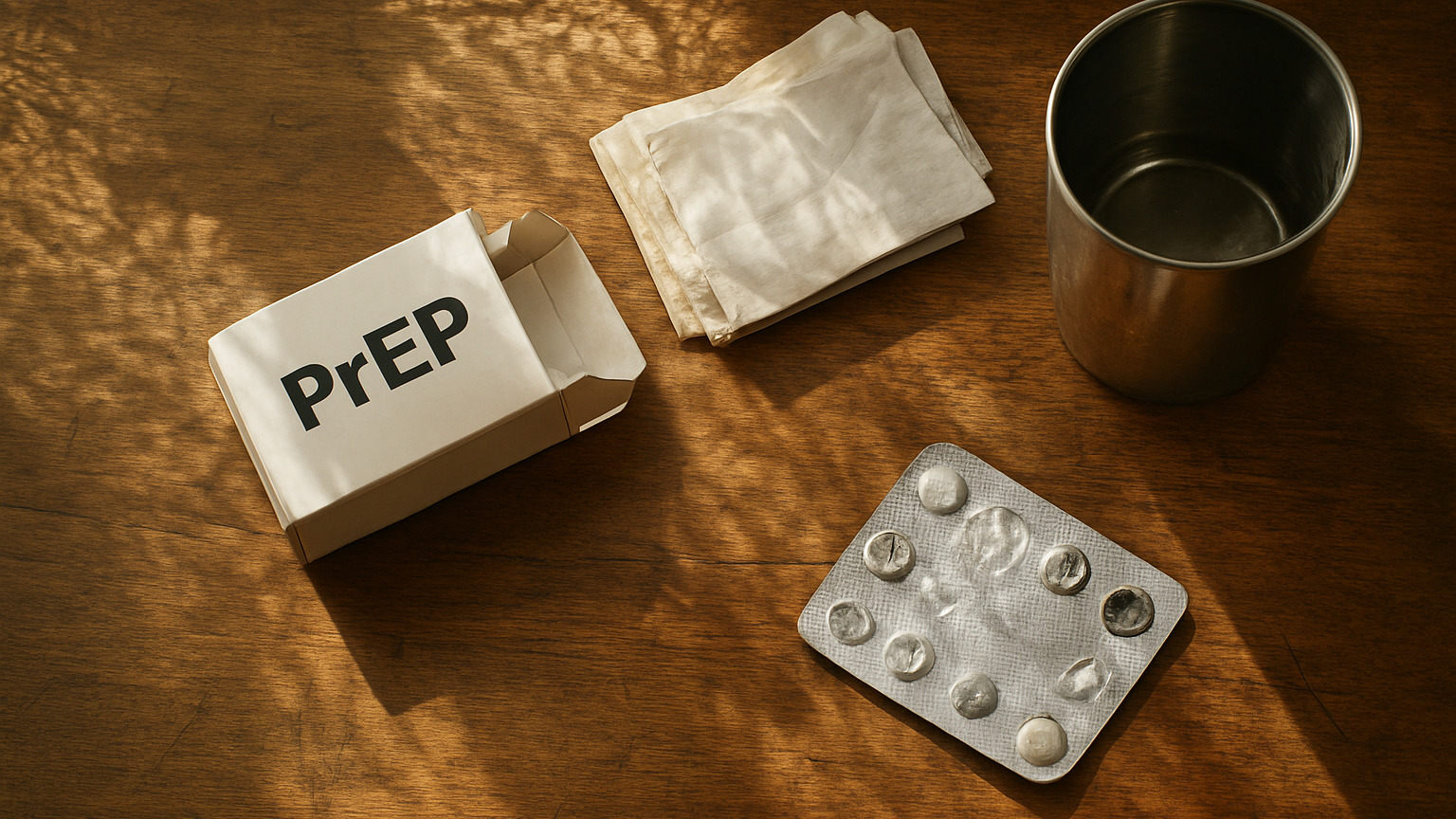
PEP substantially reduces the chance of HIV infection after an exposure, but the evidence behind it is different in character from the evidence behind PrEP, and it is not a guarantee. Being clear about that is more useful than a reassuring number, because it explains why the timing and the adherence matter so much.
Why is there no randomised trial?
Because you cannot ethically randomise people who have just had a high-risk exposure to receive nothing. The evidence therefore comes from other sources: animal studies where the timing and dose could be controlled, a retrospective study of healthcare workers after needlestick injuries which found roughly an eighty per cent reduction, observational data from clinical services, and the biological plausibility that follows from how the drugs work.
What do animal studies show?
They show the pattern that drives the practical advice. Treatment started within twenty-four hours prevented infection in most animals, effectiveness declined as the delay increased, and courses shorter than twenty-eight days performed worse than the full length. That is the origin of both the seventy-two hour limit and the four-week duration.
How much does timing matter?
More than anything else. PEP works best within hours, remains clearly worthwhile through the first day, and declines over the following two. Beyond seventy-two hours it is not given, because the infection is likely already established and the drugs would be acting as inadequate treatment rather than as prevention.
How much does completing the course matter?
A great deal. Stopping at day ten because you feel fine, or because the tablets are making you nauseous, undermines the whole exercise. Historically a substantial proportion of people did not complete PEP courses, largely because older regimens were poorly tolerated. Modern combinations are considerably easier to take, and completion rates have improved accordingly.
Does PEP ever fail?
Yes, though it is uncommon. Documented failures usually involve delayed initiation, incomplete courses, resistant virus, or continued exposure during the course itself. That last one is worth naming: PEP protects against the exposure that prompted it, not against further condomless sex over the following month.
How does it compare with PrEP?
PrEP is more effective, because having drug already present when the virus arrives is a stronger position than catching up afterwards. PEP is what exists for the situation where that was not the case. Anyone who has needed PEP once is a strong candidate for PrEP, and the end of a PEP course is the natural moment to start.
What should you do to give it the best chance?
Start as fast as you can rather than at a convenient time. Take every dose for the full twenty-eight days. Report side effects rather than abandoning the course, since regimens can usually be changed. Avoid further condomless exposure during the month. And attend the follow-up testing, which is at the end of the course and again four to six weeks later.
What does a negative result at the end mean?
Not yet conclusive, because the medication can delay seroconversion. The test four to six weeks after finishing is the one that settles it. People frequently stop attending after the first negative, which is the point at which the whole process becomes incomplete.