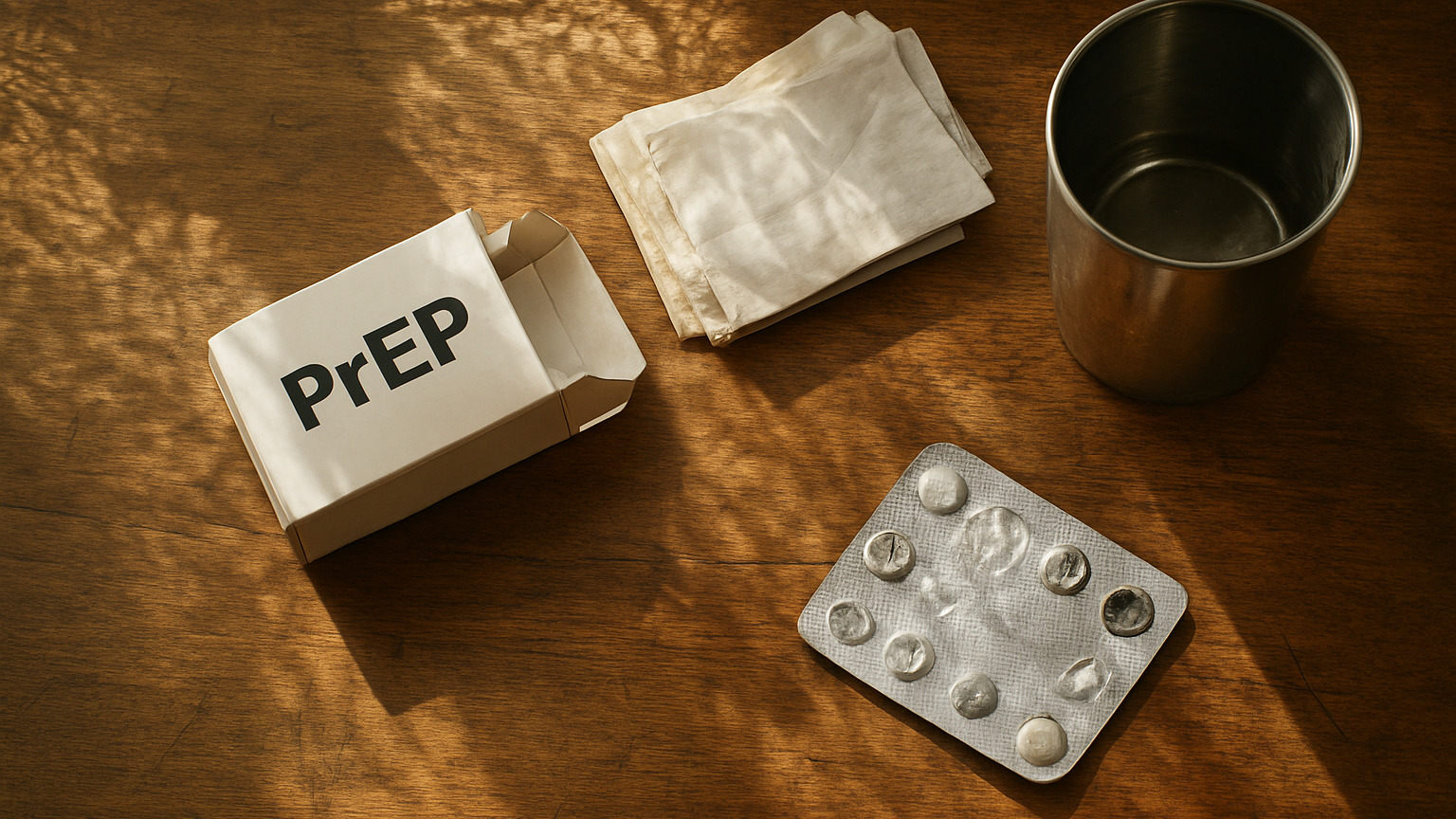
There is no limit on how many times you can be prescribed PEP. It is an emergency intervention and it is available each time it is clinically indicated. Nobody keeps a tally that eventually runs out, and a previous course is not a reason to be refused a new one.
Will you be judged for coming back?
You may worry about it, and the fear itself is the main risk here, because it keeps people away during a window that closes in seventy-two hours. Clinicians in this field see repeat attendances routinely and understand that exposures happen for all sorts of reasons: a condom failing, a partner's status turning out to be different from what was said, a night where drugs were involved, or simply sex that happened without a plan. None of these are unusual.
What does a repeat course actually indicate?
That your circumstances involve ongoing risk, which is information rather than a criticism. The clinical response to that is not to withhold PEP but to have a different conversation about prevention, because managing recurring exposures through emergency courses is a poor arrangement for everyone.
Why is PrEP the better answer?
Because it is more effective, considerably less unpleasant, and does not depend on recognising an exposure and getting to a clinic within a specific number of hours. PEP is a month of three drugs taken after something frightening happened. PrEP is a tablet taken in advance that removes the scenario. Anyone who has needed PEP more than once is a strong candidate, and the end of a course is the easiest moment to transition, since you have just completed antiretrovirals and the baseline testing is current.
Are there medical limits on repeating it?
Practical rather than absolute ones. Kidney and liver function are checked each time, and repeated courses in someone with declining renal function may prompt a different regimen. Hepatitis B status matters, since the drugs suppress it and stopping after each course can cause a flare in someone with chronic infection. If you have had PEP recently, mention it, because it affects both the assessment and the follow-up testing schedule.
What if you are still within a previous course?
Tell the clinic. A further high-risk exposure during a PEP course may mean extending it or restarting the clock, and it changes when the follow-up tests should be done, since window periods run from the most recent exposure.
What if you were on PrEP and still needed PEP?
This usually means doses were missed, the loading period was incomplete, or PrEP had been stopped without the tail doses. It is worth working through honestly at the follow-up appointment, because the answer is generally a change of schedule rather than a change of drug. Someone finding daily dosing unmanageable may do better on event-based dosing, or the other way round.
The thing to take from this
Attend every time you need to, without weighing up whether you have used up some allowance. Then, at the follow-up, have the conversation that means you might not need to come back for this reason again.