Verification is not about suspicion; it is about not travelling across a city to meet someone who does not exist or looks nothing like their photographs. A few minutes beforehand settles most of it.
A brief video call
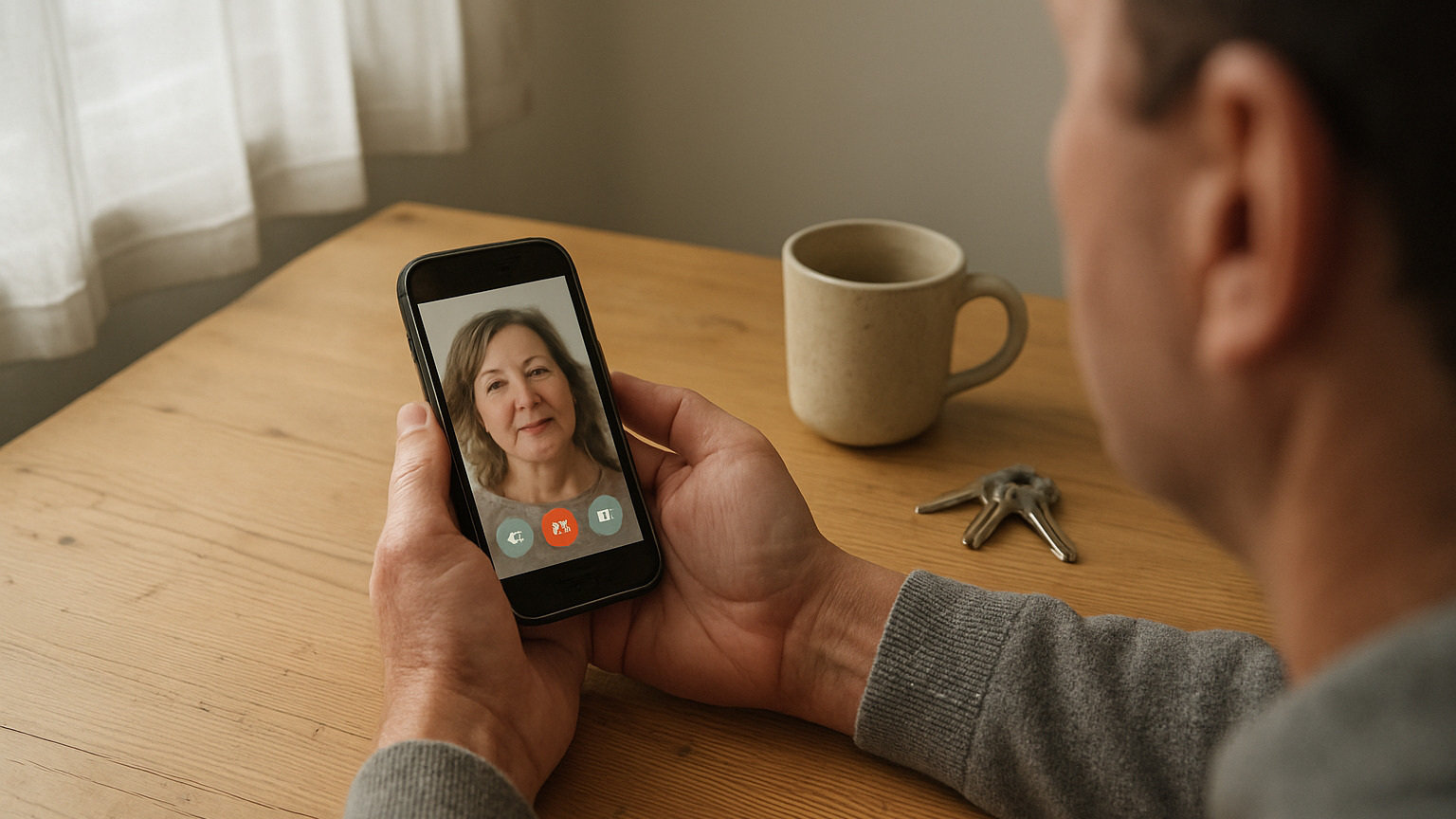
The most effective single check. It confirms the person matches their pictures, gives you a sense of them, and is something a fake profile cannot produce. It has become ordinary enough that suggesting it is unremarkable, and anyone who refuses outright while being keen to meet has answered the question.
Ask for something spontaneous
A picture taken now, holding a specific object, or making a particular gesture. Scripted profiles work from a fixed set of images and cannot do this. It takes someone real thirty seconds and is a considerably better test than asking for more photographs, which can simply be pulled from the same source.
Reverse image search
Takes seconds and catches the most common form of fake profile. If the photographs return a model, an influencer or a stock library, you have your answer. If they return nothing, that is mildly reassuring rather than proof of anything.
Cross-check where possible
A first name plus a workplace or a city is often enough to find a public profile elsewhere that matches. This is not an investigation and it is a sanity check. Be aware that plenty of legitimate people keep no public presence, particularly anyone not out, so an absence is not suspicious.
Notice the conversation
Someone real responds to what you actually said. Messages that ignore your questions, repeat scripted lines, escalate very quickly, push to move to another platform or arrive at money are the recognisable patterns. Any mention of a transfer ends the conversation.
Meet somewhere public first
For a date, straightforward. For a hookup, frequently impractical, and a brief meeting somewhere public is always available as an option and commits you to nothing. Someone who resists it entirely while pressing to meet at their home is worth declining.
What should you do regardless?
Tell someone where you are going, share the profile or a name, keep your phone charged and arrange your own way home. These cover the situations verification does not, which includes the person being exactly who they said and still not being someone you want to be alone with.
Keep a screenshot
Of the profile, at least until after you have met. It is useful if anything needs following up afterwards, including partner notification if an infection is diagnosed, since clinics can often work with a profile name and a platform but cannot work with nothing.
Does verification make it safe?
No. It addresses deception and does nothing about whether someone behaves well once you are there. The measures in the previous paragraph matter more for that, and leaving at any point remains available without explanation.
What about their privacy?
Worth respecting in return. Plenty of people have good reasons not to share a face picture publicly, not to appear on social media and not to give a surname before meeting. Discretion is not deception, and pressing someone for identifying details they have declined to give is its own problem.
Does verification help with safety generally?
Only partly, and it is worth separating the two. Knowing someone is who they say removes one category of problem entirely and leaves everything else untouched. The measures that address the rest are telling someone where you are, keeping your phone usable and being able to leave.
The version that works
Reverse image search, one spontaneous picture or a short video call, and someone who knows where you are going.
Is it awkward to ask?
Less than people expect, and it has become common enough that most people have been asked before. Framing it as something you do rather than as a suspicion about them keeps it straightforward, and offering to go first usually settles it.
What if you have met them before?
Verification is no longer the issue, and the safety measures still apply. Most harm comes from people known to the person rather than from strangers, which cuts against the instinct to relax once someone is familiar.