This is harm reduction rather than encouragement. People who inject are going to whether or not anyone approves, and the difference between doing it with sterile equipment and doing it without is the difference between an uneventful evening and hepatitis C, an abscess or worse.
Sterile equipment every time
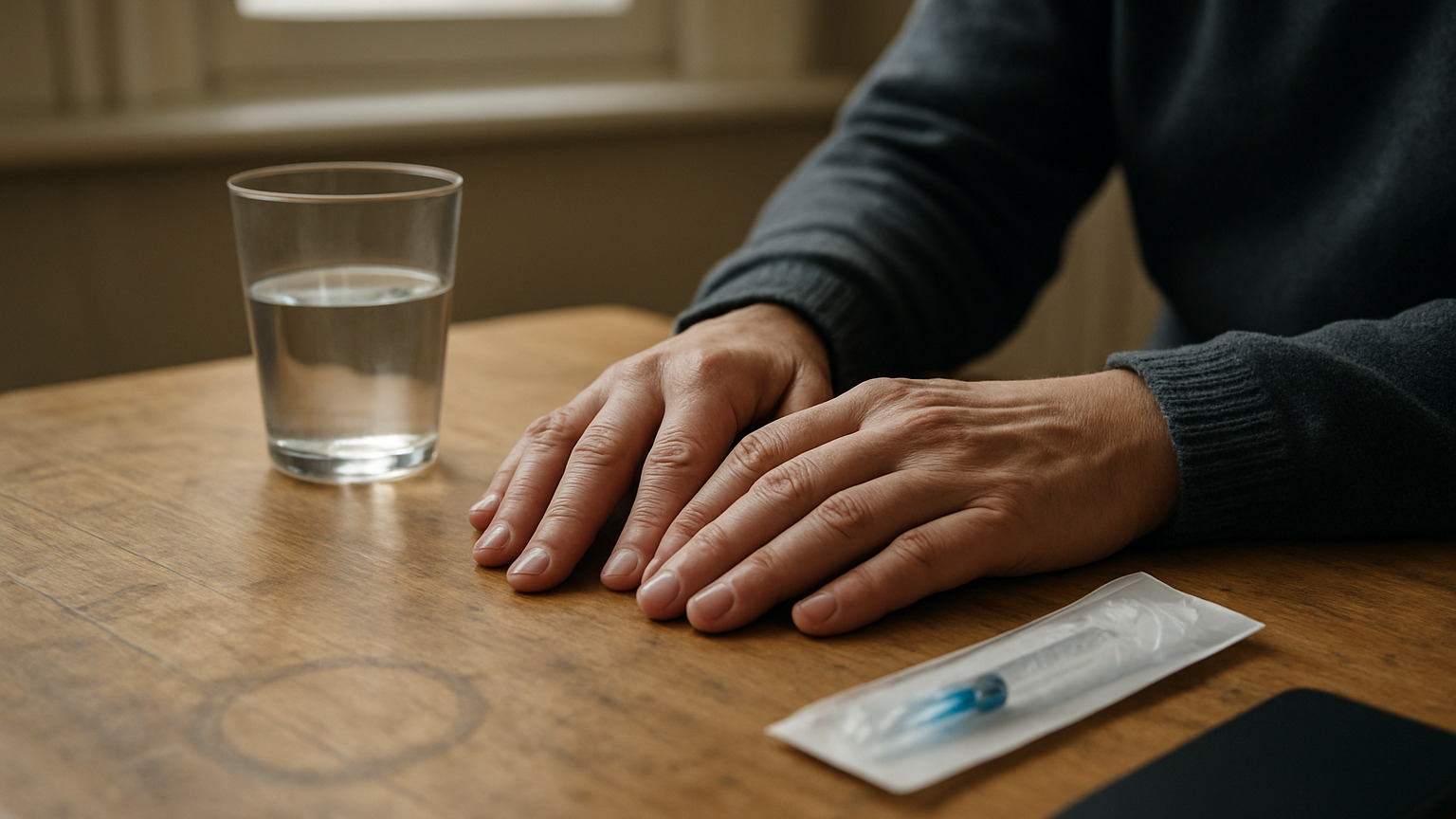
A new needle and syringe for every injection, never reused even by the same person, since needles blunt immediately and damage veins. Needle exchanges provide equipment free, without appointment and without judgement, and many pharmacies participate. They also supply sharps bins, sterile water, filters and swabs.
What must never be shared
Everything, not just needles. Filters, spoons, water, tourniquets, surfaces and any container all carry blood in quantities too small to see. Hepatitis C in particular transmits at very low doses and survives outside the body for a long period. Sharing water between two people preparing separately is enough.
Clean hands and site
Wash hands with soap before preparing. Clean the injection site with an alcohol swab and let it dry rather than wiping it off. Do not touch the needle or the cleaned site afterwards. Most abscesses come from bacteria introduced at this stage rather than from the substance.
Where not to inject
Avoid the groin and the neck entirely. Both carry substantially higher risks of serious complications, including damage to major blood vessels, deep vein thrombosis and infections that spread rapidly. Rotate sites rather than using the same vein repeatedly, and give sites time to heal.
Never alone
If something goes wrong, someone needs to be there. Injecting produces the full dose at once with no opportunity to notice it is stronger than expected, and overdose can develop quickly. Tell whoever is present what you have taken so they can tell paramedics.
Be careful after a break
Tolerance falls quickly. A dose that was manageable before a period of not using can be an overdose afterwards. This is a well-documented pattern and it catches experienced people rather than beginners.
Disposal
Use a sharps bin, available free from needle exchanges and pharmacies, and return it when full. Never put needles in ordinary bins or leave them loose, which risks injury to other people including cleaners and children.
What are the warning signs afterwards?
A red, hot, swollen or increasingly painful injection site. Fever, shivering or feeling generally unwell. A lump that is growing. Swelling of a whole limb. Chest pain or breathlessness. Any of these needs medical attention promptly, and endocarditis and sepsis both develop from what looks initially like a minor site infection.
What should you get tested for?
Hepatitis C at least annually and more often with ongoing injecting, since it is curable and finding it matters. Hepatitis B status, with free vaccination if you are not immune. HIV three-monthly. Sexual health clinics and drug services arrange all of this without charge.
Where to get equipment and help
Search for your local needle and syringe programme, which will be listed by your council or local drug service. Antidote at London Friend and Controlling Chemsex at 56 Dean Street work specifically with this community, and neither requires you to be planning to stop.
What if someone else injects you?
Common in this context and worth thinking about. Make sure they are using sterile equipment that has not been used on anyone else, that you know what is in it, and that you have agreed to it clearly. Being injected while unable to consent is a serious matter, and being pressed to allow it is worth recognising for what it is.
What should you have with you?
Enough sterile equipment that you never have to reuse or borrow, a sharps bin, alcohol swabs and sterile water. Needle exchanges supply all of it free. Running out partway through a weekend is the situation that produces sharing, and it is entirely avoidable by taking more than you think you need.
Where can you learn to do it properly?
Needle exchange staff and drug services will talk through technique without judgement, and this is a reasonable thing to ask about. Learning from someone at a party, in the middle of a session, is how most of the avoidable harm happens.